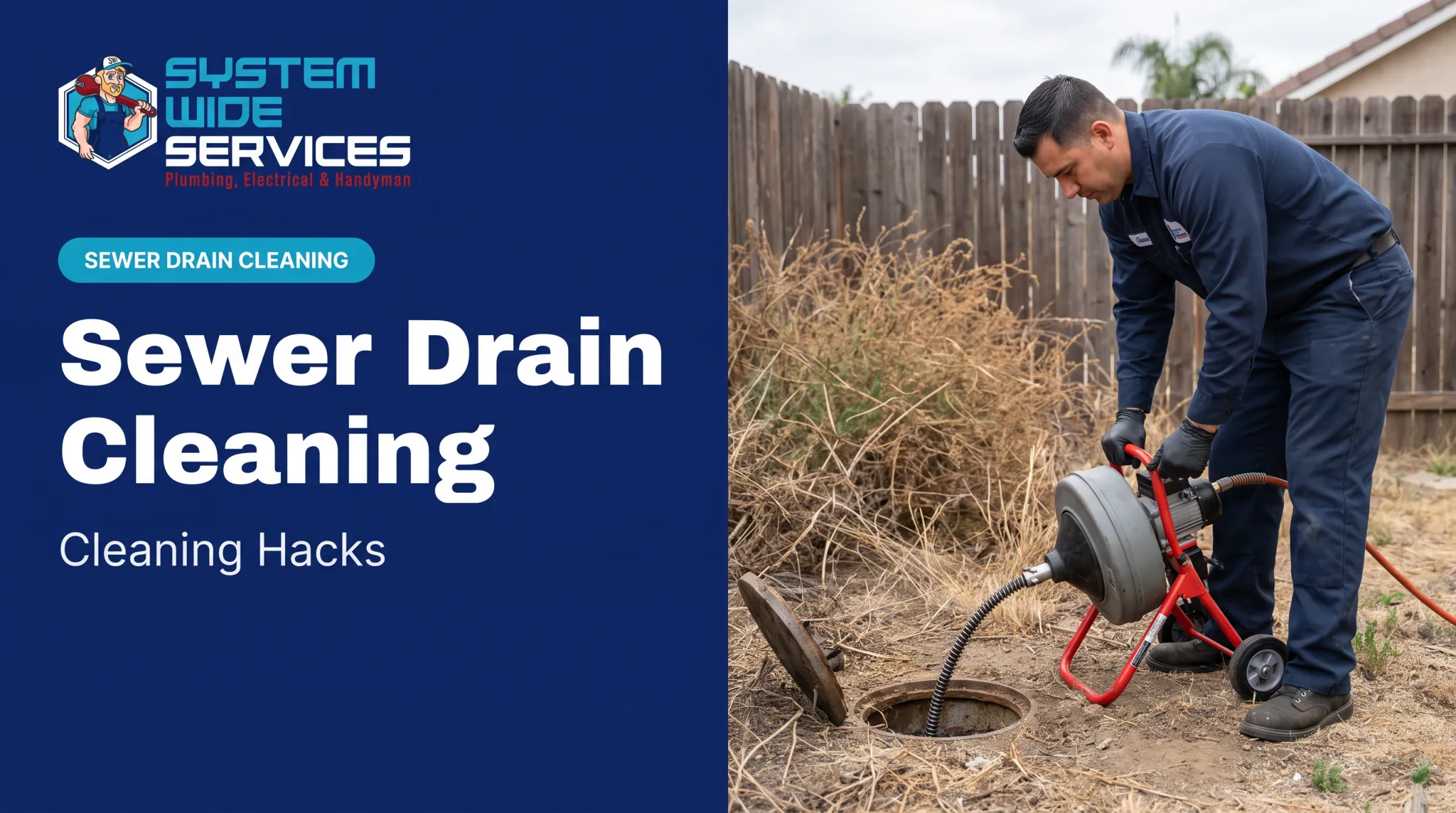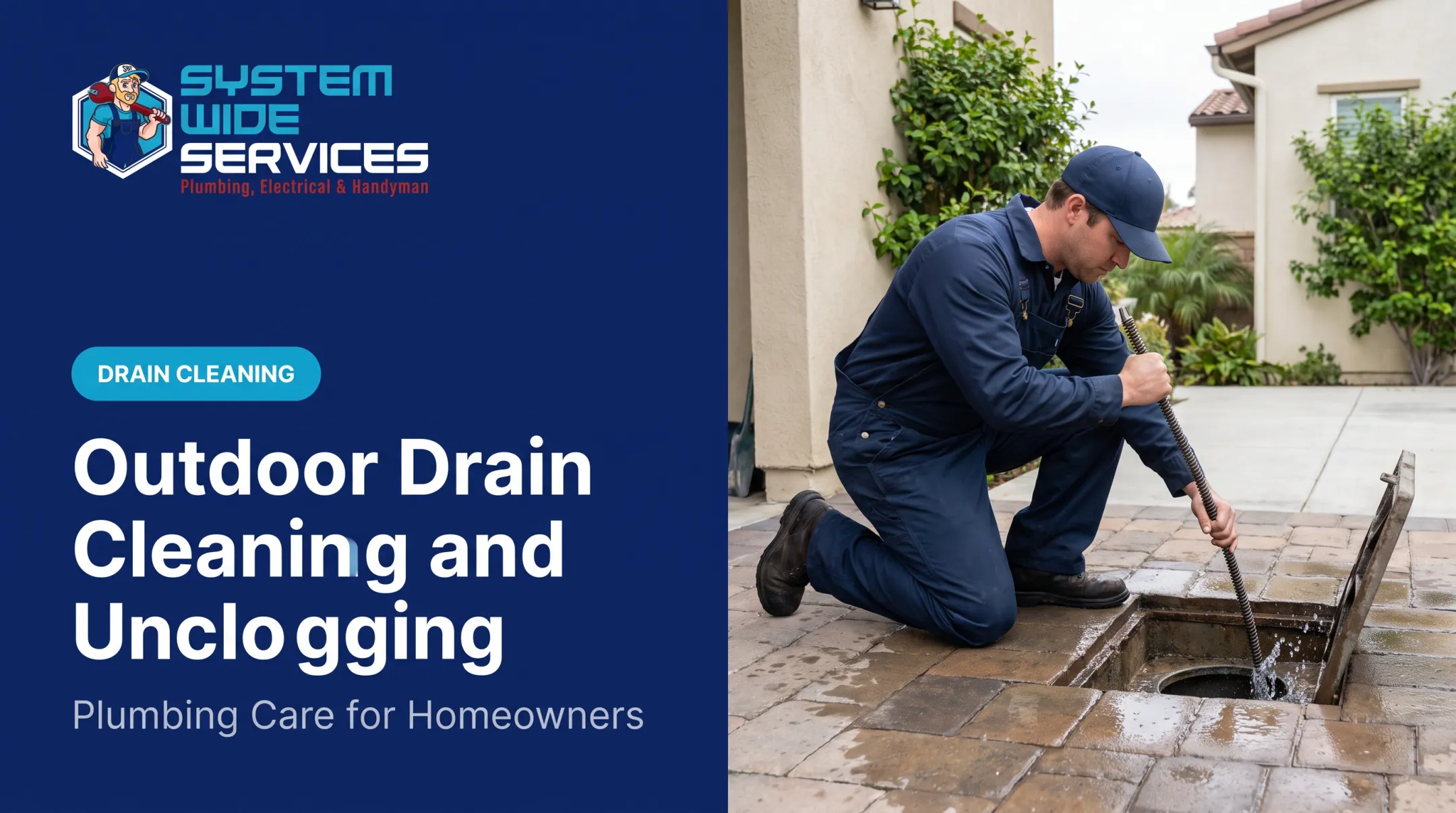

Floor drains collect dirt, hair, sediment, lint, and grease over time. Recurring symptoms can also point to a branch-line, sewer-line, trap, or venting problem. Sioux Falls lists floor drains that back up or drain very slowly among the signs of a sewer-line obstruction.
This guide shows how to identify the likely cause, clean a floor drain safely, tell a cleanout from a drain, and decide when to call a professional.
Key Takeaways
- Most floor drain clogs start at the grate; repeated backups often signal a deeper line problem.
- Start with debris removal and safe mechanical methods.
- Skip casual use of chemical drain openers.
- Call a licensed plumber for sewage, recurring clogs, or multiple affected fixtures.
What Is a Clogged Floor Drain?
A floor drain is a grated, floor-level fixture that collects water in basements, garages, laundry rooms, utility spaces, bathrooms, and commercial work areas. Water passes through the drain body and trap, then enters a branch line that feeds the building drainage system.
The trap holds a water seal that blocks sewer gas. A clog can form at the grate, in the drain body, or farther down the line.
Floor Drain vs. Cleanout
These two get confused often.
- Floor drain: built to receive water, with a grate on top.
- Cleanout: a capped access point for inspection and drain-cleaning tools, giving a plumber direct access to the sewer line.
A cleanout should stay capped. It is not a substitute drain, and it shouldn't be left open or covered over.
Common Problems With Clogged Floor Drains (and Their Root Causes)
Location, timing, and accompanying symptoms tell you whether you have a surface clog, a branch-line restriction, a main sewer issue, or something that only looks like a clog, such as a dry trap.
Slow Drainage or Standing Water
Water drains slowly, pools around the grate, or lingers after mopping, a spill, or rain. Likely causes include:
- Debris on the grate
- Sediment or grease in the drain body
- Buildup in the branch line
- A partial obstruction farther downstream
Backup or Wastewater Overflow
Dirty water or sewage rises through the drain when toilets flush, sinks drain, or laundry runs. Causes range from a severe local clog to a blocked branch line, a main sewer restriction, or a collapsed pipe.
San Mateo County's guide lists grease, roots, and collapsed pipe among sewer-backup causes. Because floor drains sit low, they are often the first outlet to show the problem.
Odors or Insects
A sewer smell doesn't always mean a clog. A dried-out P-trap loses the water barrier that blocks sewer gas and pests, especially in drains that rarely get used.
To tell the difference, pour water in. If it drains normally and the odor fades, the trap was dry. If the odor returns after the trap is refilled, or the water won't go down, suspect a blockage.
Gurgling or Recurring Symptoms
Gurgling when other fixtures run can point to restricted flow downstream, but gurgling alone doesn't prove a vent defect. Stronger warning signs of a broader sewer-line issue include:

- Clogs that keep returning
- Multiple slow drains
- Bubbling toilets
- Water backing up in tubs or showers
How to Clean a Clogged Floor Drain Step by Step
Start with diagnosis and safety. Don't pour a chemical product in first. Work out whether you have a surface obstruction, a deeper clog, or a wastewater backup.
Step 1: Protect the Area and Gather Tools
You'll want:
- Gloves and eye protection
- Bucket, flashlight, and towels
- Stiff brush
- Plunger
- Hand auger, if suited to the drain
If sewage is present:
- Stop using water fixtures
- Keep children and pets away
- Ventilate the area and avoid contact
CDC guidance calls for waterproof boots, gloves, and eye protection around sewage, plus washing with soap and water afterward.
Step 2: Remove the Cover and Clear Visible Debris
Lift the grate and set it aside. Shine the flashlight into the drain body. Scoop out hair, dirt, lint, and sediment instead of pushing it deeper.
Scrub the grate and opening. Leave the cover off if you still need to plunge or snake the line.
Step 3: Try Controlled Plunging
Add enough water to seal the plunger, center it over the opening, and use steady strokes. Skip this step if chemical cleaner was already used, if contaminated water might splash, or if you can't get a seal.
Step 4: Use a Hand Auger Only if the Clog Is Within Reach
Feed the cable slowly, rotate it when you feel resistance, and withdraw it carefully. Don't force it.
An auger may not reach a distant branch-line or main sewer blockage. If you meet repeated resistance or the clog returns, get a diagnosis rather than snaking blindly.
Step 5: Flush and Test
Run a moderate amount of clean water and watch for normal flow, odd bubbling, leaks, or water rising elsewhere. Replace the grate once flow looks normal.

Boiling water and homemade mixtures aren't universal fixes. Heat can be unsuitable for some pipe materials, and neither reaches deeper obstructions well.
Step 6: Escalate When Cleaning Doesn't Work
Call a professional if:
- The drain stays slow or backs up quickly
- Multiple fixtures are affected
- Sewage is present
- You see signs of roots or pipe damage
In Los Angeles and Orange counties, System Wide Services (CSLB #1108115) diagnoses drain problems, offers camera inspection for recurring clogs, and gives flat-rate pricing before work begins. Same-day and emergency service are available.
When Should You Clean, Repair, or Replace a Floor Drain?
The decision turns on severity, recurrence, component condition, and whether cleaning restores dependable flow or only a temporary improvement.
Routine Cleaning May Be Enough
DIY cleaning fits when all of these apply:
- First-time, localized slowdown with visible debris
- No sewage and no other affected fixtures
- No sign of damaged plumbing
Set a stopping point: quit if you can't reach the obstruction safely or the drain starts to overflow.
Professional Cleaning or Inspection
Call a plumber for:
- Recurring clogs or a clog that returns soon after cleaning
- Multiple slow fixtures or gurgling toilets
- Sewage or persistent odors
- Flooding after rain
Professionals use larger augers, hydro jetting, or a camera to find the obstruction before recommending a fix. Hydro jetting scours grease, sludge, scale, and roots using high-pressure water. A camera can reveal cracked piping, offset joints, and roots, as shown in Santa Barbara's lateral defect glossary.

Repair or Replacement
Replacement isn't the first response to an ordinary clog. It becomes relevant when inspection finds cracks, corrosion, collapse, bad installation, or chronic poor flow in the grate, trap, drain body, cleanout cap, branch line, or sewer pipe.
The fix should address the confirmed defect. An intact drain doesn't need replacing just because it clogged once.
Common Mistakes to Avoid and Preventive Measures
Mistakes to Avoid
- Caustic drain openers: they can cause severe burns, corrode older metal or a P-trap, and make a plumber's job riskier.
- Mixing cleaners: never combine bleach with other products; the fumes can be dangerous.
- Plunging after chemicals: splashback can injure you.
- Forcing an auger: can push debris deeper into the line.
- Opening a cleanout cap during an active backup without preparation.
- Treating a temporary flow improvement as a cure.

Preventive Measures
- Keep covers in place and clear visible debris routinely.
- Don't sweep dirt, hair, grease, construction material, or wipes into the drain.
- Match inspection frequency to use: quarterly checks, annual cleaning at minimum, or every six months in high-use areas (one provider's guidance, not code).
- Check traps on rarely used drains and refill them with water.
- Log recurring slowdowns or backups.
Landlords, property managers, and restaurants should document drain maintenance and use grease and debris control. Grease-heavy lines may benefit from hydro jetting every year or two, and cleaning should follow workplace and sanitation requirements.
Conclusion
Many isolated floor drain clogs clear with visible debris removal and careful mechanical cleaning. Recurring or widespread symptoms can signal a branch-line or sewer problem.
Diagnose first, skip chemical shortcuts, test the drain after cleaning, and call a licensed plumber when warning signs appear. That limits water damage and repeat blockages.
Frequently Asked Questions
How do plumbers unclog floor drains?
They inspect the drain, remove visible debris, then plunge or snake as appropriate. For deeper or recurring blockages, they use professional equipment, hydro jetting, or a camera inspection.
Can a cleanout be used as a floor drain?
No. A cleanout is a plumbing access point and should stay capped. It isn't designed to take routine floor runoff or work as an open drain.
Can I unclog a floor drain myself?
Often, yes, if the cause is surface debris that plunging or a hand auger can reach. Sewage, recurring backups, or multiple affected fixtures call for a plumber.
Why does my floor drain back up when I run water elsewhere in the house?
It may indicate a downstream branch-line or main sewer restriction. Don't treat it as only a local grate clog.
Should I use chemical drain cleaner in a floor drain?
Avoid routine use, especially with standing wastewater, older piping, or unknown pipe materials. Mechanical diagnosis is safer and leaves the line ready for a plumber if needed.
How often should floor drains be cleaned?
It depends on use, debris exposure, and building type. Inspect visually on a routine basis, clean at the first sign of slow flow, and schedule professional maintenance for high-use or problem drains.