
3 Quick Tests Homeowners Can Run to Stop a $400+ Water Bill
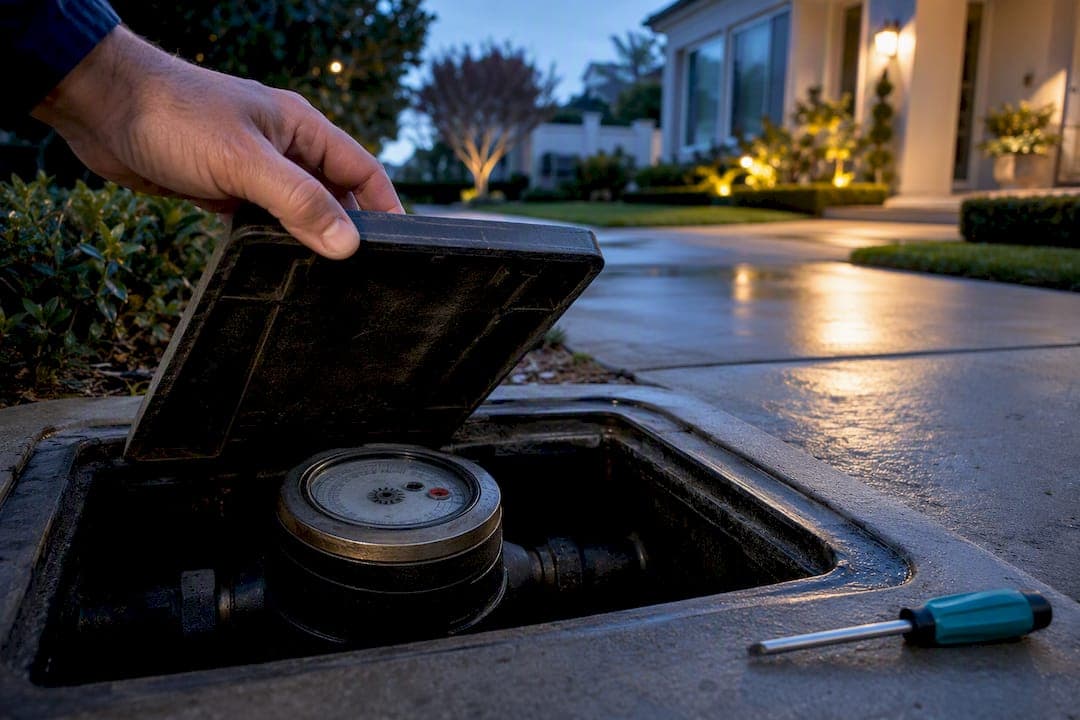
If your water bill suddenly spiked, the cause is almost always a running toilet, a hidden interior leak, or extra outdoor irrigation, in roughly that order of likelihood. Run a water meter test today and a toilet dye test if you have a tank toilet. Most fixes cost less than a new flapper valve, but if the meter keeps spinning with everything off, you may be looking at a slab or service-line leak that needs a licensed plumber.
TL;DR:
- Water bill spikes are most often caused by running toilets, hidden leaks, or outdoor irrigation, with interior leaks like faulty flappers being the most common culprit.
- Conducting a water meter test and toilet dye test can quickly identify leaks, especially if the meter continues to spin or the dye appears in the bowl.
- Large increases in bills with consistent usage likely indicate bigger issues such as slab or service-line leaks, which require professional detection and repair.
- Rate hikes or billing errors can cause high bills even without increased water use, so comparing usage units, billing periods, and checking for estimated reads is essential before acting.
- Immediate professional help is warranted if the meter runs with all fixtures off or winter usage exceeds 12,000 gallons, as these signs point to serious hidden leaks needing expert diagnosis.
Table of Contents
- What Causes a Water Bill Spike? The Top Culprits Ranked
- How to Test for a Water Bill Spike: Meter, Dye, and Irrigation Checks
- Reading Your Bill: Rate Changes, Estimated Reads, and Billing Errors
- When It’s Bigger Than a Leaky Faucet
- What We Look for First When a Customer Calls About a Bill Spike
- Get a Leak Confirmed and Fixed Before Your Next Bill Arrives
- Where to Verify These Numbers Yourself
- Sources
- FAQ
What Causes a Water Bill Spike? The Top Culprits Ranked
Utility companies that field high-bill complaints tend to work through the same short list of suspects, and they check them in a specific order because that’s the order that actually finds the problem fastest. Municipal troubleshooting guides consistently put running toilets first, irrigation and outdoor use second, and billing or rate issues third. That sequence isn’t arbitrary. It reflects how often each cause turns out to be the real one.
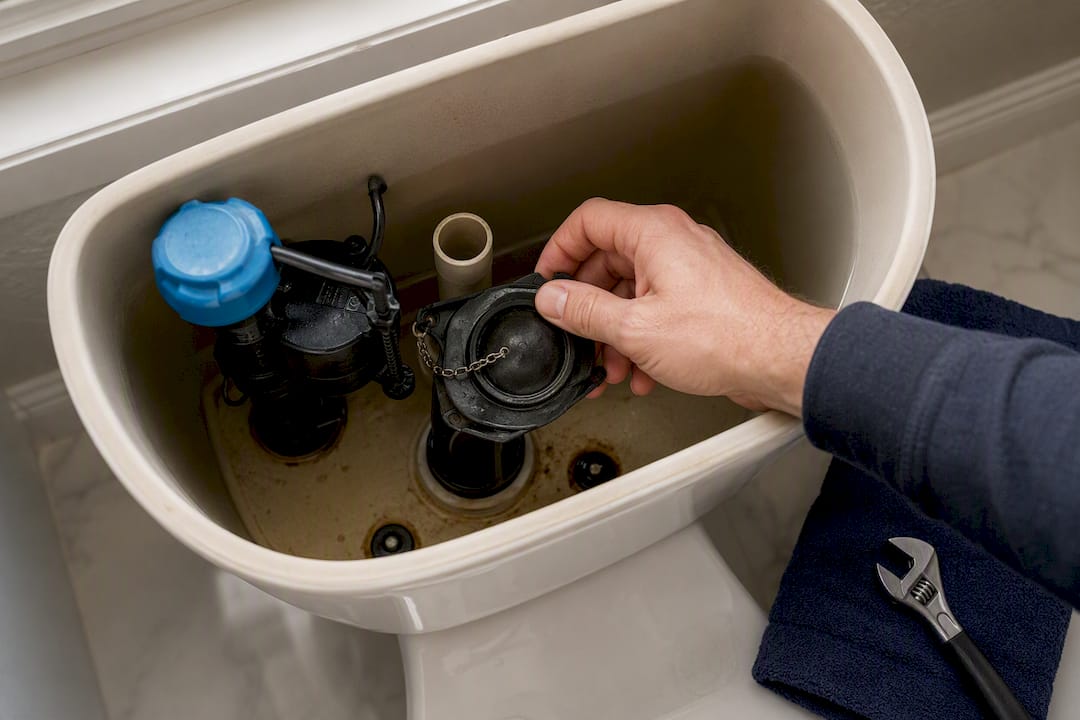
Running toilets cause more mystery spikes than anything else in the house. A worn flapper or a fill valve that won’t fully shut lets water trickle from tank to bowl around the clock, and because the sound is so subtle, homeowners often live with it for weeks. A single bad flapper can waste hundreds of gallons a day without ever triggering an overflow or a visible puddle. Replacing one costs a few dollars and takes ten minutes.
Dripping faucets and fixture leaks are the second-biggest silent waster. A faucet that drips once per second doesn’t sound like much, but that adds up over a full billing cycle. Water heaters are a sneaky variant: a leaking tank or a temperature-and-pressure relief valve that discharges intermittently can run up usage while showing no obvious symptom beyond a damp spot near the unit.
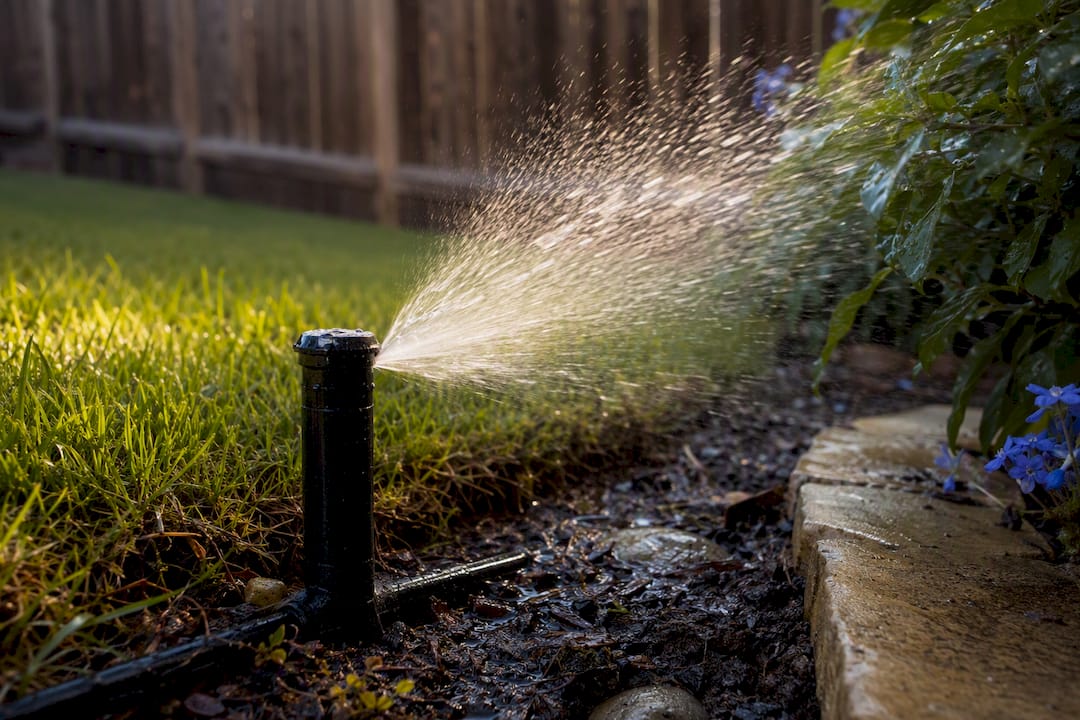
Irrigation and pool fills dominate the warm months. A single sprinkler zone can use over a thousand gallons per watering cycle, according to industry breakdowns of high water bill causes, and a broken head or a controller that got bumped to run twice a day instead of twice a week will blow past normal usage without anyone noticing until the bill arrives. Pool fills after a leak or heavy evaporation season add another layer that’s easy to miss because it happens outside, out of earshot.
Household changes round out the list. A house full of holiday guests, a newborn’s extra laundry loads, or a new dishwasher or washing machine running more cycles than the old one can all nudge usage up in ways that feel invisible day to day but show up clearly once you compare bills side by side.
A few signs point you toward the right suspect before you run any test:
- A faint hissing or refilling sound from the bathroom points to the toilet.
- Soggy spots in the yard, especially near sprinkler heads, point to irrigation.
- A meter that only moves when a specific appliance runs points to that appliance.
- Usage that jumped the same month as a rate change points to billing, not water use.
How to Test for a Water Bill Spike: Meter, Dye, and Irrigation Checks
Before you call anyone or spend a dollar on repairs, run these checks in order. Each one rules out or confirms a specific cause, and together they take under an hour.
-
Run the water meter test. Turn off every faucet, appliance, and irrigation valve in the house. Find your meter, usually near the curb or in a utility box, and record the reading. Wait 30 to 60 minutes without using any water, then check it again. If the reading moved, or if the small triangular or circular flow indicator on the meter face is spinning, you have a leak somewhere on your side of the line. Utility conservation programs recommend this exact process as the single most reliable homeowner check.
-
Run the toilet dye test. Add a few drops of food coloring or a dye tablet to each toilet tank, not the bowl. Wait 10 to 15 minutes without flushing. If color shows up in the bowl, water is leaking past the flapper seal, and a $10 flapper replacement usually solves it on the spot.
-
Isolate irrigation. Shut off the main irrigation valve and rerun the meter test. If the meter stops moving, walk each zone individually and watch for misting heads, pooling water, or a controller stuck on the wrong schedule.
-
Check appliances and the water softener. Listen for a softener that’s stuck mid-regeneration or cycling far more often than its normal schedule, and inspect hose connections on washing machines and dishwashers for slow seepage.
-
Collect your evidence. Photograph the meter readings, save the current and prior bills, and note how many days each billing period covered. This paperwork is exactly what a utility or a plumber will ask for if you need to dispute a charge or schedule a repair.
Pro Tip: Run the meter test at night before bed and check it again first thing in the morning. An eight-hour idle window makes even a slow drip impossible to miss, and you won’t have to babysit the clock.
Reading Your Bill: Rate Changes, Estimated Reads, and Billing Errors
Not every spike comes from water you actually used. Utilities bill on two separate lines, a usage line measured in gallons or CCF (hundred cubic feet), and a rate line that reflects what you’re charged per unit. If your usage line looks normal but the total jumped, you’re looking at a rate hike, a tier change, or a seasonal surcharge, not a leak. KC Water’s own billing guidance points out that some utilities calculate wastewater charges seasonally, so a bill can spike even when indoor usage stayed flat.
Before you assume the worst, check these three things on your statement:
- Usage units. Confirm you’re comparing gallons to gallons or CCF to CCF across billing periods, since a mismatch can make a normal month look inflated.
- Estimated reads. Utilities sometimes estimate a bill when a meter reader can’t access the property, and estimates can run high or low. Look for the word “estimated” printed near the reading.
- Billing period length. A 35-day cycle will naturally show more usage than a 28-day cycle. Check the service dates printed on the bill, not just the total.
If something still doesn’t add up, call your utility and ask for an itemized usage history and a meter accuracy test. Most municipal water departments, including Portland Water’s high-use program, offer leak adjustment credits once you provide proof of a repair, so keep the receipts and photos from your DIY checks handy when you make the call.
When It’s Bigger Than a Leaky Faucet
Some causes don’t show up with a simple dye test, and they’re the ones that do real damage if you wait. A service-line leak underground often shows up as a soggy patch of lawn that never dries out, a strip of grass that’s suspiciously greener than the rest of the yard, or a noticeable drop in water pressure throughout the house.
Slab leaks are trickier because everything happens under the concrete foundation. Watch for:
- Warm spots on an otherwise cool floor
- A musty smell with no visible moisture source
- Mold appearing where there’s no obvious water contact
- The sound of running water when every fixture is off
Equipment failures round out the serious end of the list. A water softener stuck in a regeneration loop can dump hundreds of gallons down the drain unnoticed, and a water heater’s temperature-and-pressure relief valve that won’t fully close will discharge continuously. Both mimic a leak on your bill without ever showing a puddle in an obvious spot.
These situations carry real financial risk beyond the water bill itself, since a slab leak left running can undermine a foundation over time. EPA data shows the average household already loses 9,400 to 10,000 gallons a year to leaks most people never notice, and a family of four whose winter usage tops 12,000 gallons in a single month is very likely dealing with one of these bigger hidden problems, not a dripping faucet.
What We Look for First When a Customer Calls About a Bill Spike
After years of fielding “my bill doubled and I have no idea why” calls, a pattern holds up: the fix is almost always cheaper and faster than the homeowner fears, right up until it isn’t. Most calls end with a $15 flapper or a sprinkler head that got knocked loose by a lawn mower. The ones that don’t end that way are the ones where the meter kept moving after every single fixture was off.
That’s the line we watch for. If your meter test shows continuous movement with the whole house shut down, or your winter usage crosses that 12,000-gallon EPA benchmark, stop testing and start calling. The same goes for warm patches on the floor or the sound of running water with nothing turned on. Those aren’t DIY situations, and waiting on them turns a moderate repair into a foundation problem.
Here’s the stop-gap sequence worth memorizing: shut off outdoor irrigation first since it’s the easiest variable to eliminate, run the meter and dye tests, and if you see any sign of active flooding, shut off the main water valve before you do anything else. A professional inspection usually locates the leak, documents it with photos for your utility, and provides a written repair estimate before any work starts.
— Van Castaneda
Get a Leak Confirmed and Fixed Before Your Next Bill Arrives
If you’ve run the meter test and the toilet dye test and something still doesn’t check out, the next call is a professional leak inspection, not another round of guessing. Professional leak detection services are available across Los Angeles and Orange County, with the same-day response that matters when a hidden leak is actively draining your water bill and possibly your foundation.
A service visit typically includes a full inspection, precise leak locating using professional equipment rather than guesswork, and a written estimate before any repair begins. Depending on what’s found, that might mean:
- Water leak detection for hidden interior or underground leaks
- Smart water monitoring installation to catch the next leak before it costs you a full billing cycle
- Water softener service if a stuck regeneration cycle is the actual culprit
- Automatic water shutoff valve installation to limit damage if a pipe fails while you’re away
If you’d rather spread the cost of a bigger repair, financing options through Wisetack let you pay over time instead of all at once. Start by booking a plumbing inspection and get the leak found and fixed before your next statement shows the same spike twice.
Where to Verify These Numbers Yourself
For the EPA’s household leak statistics and the 12,000-gallon winter benchmark, see WaterSense’s leak facts. For a step-by-step meter test walkthrough, check the Saving Water Partnership’s guide. For irrigation controller troubleshooting, Divine Landscaping’s guide to common irrigation mistakes covers broken heads and runtime errors in more depth.
Sources
- EPA — Fix a Leak Week / WaterSense leak facts
- Potential Causes of High Water Bills — Mount Airy, MD
- Why is my bill high? — KC Water
- Use your water meter to check for leaks — Saving Water Partnership
FAQ
Why Did My Water Bill Suddenly Increase?
The most common causes are a running toilet, a hidden faucet or water heater leak, or increased irrigation, usually in that order of likelihood based on how utility companies rank complaint causes.
Why Is My Water Bill $400 or Higher When It’s Normally Much Lower?
A bill that jumps to several hundred dollars almost always points to a significant hidden leak, such as a slab leak, a service-line break, or a toilet that’s been running continuously for weeks, rather than a small drip.
Why Has My Water Bill Doubled From Last Month?
Compare your usage line to last year’s same month first; if usage is flat but the total doubled, you’re likely looking at a rate or tier change rather than a leak, and the bill itself will show this on the rate line versus the usage line.
Why Is My Water Meter Reading High but I Can’t Find a Leak?
If the meter shows continuous flow with every fixture and irrigation zone off, suspect a service-line leak, an irrigation crossover valve, or a stuck water softener, all of which usually require professional isolation and listening equipment to locate.
When Should I Call a Plumber Instead of Testing It Myself?
Call a professional if the meter keeps moving with the whole house shut off, if you notice warm floor spots or musty odors that suggest a slab leak, or if your winter usage exceeds roughly 12,000 gallons for a typical family of four.
Recommended
Need a hand with this? We've got you covered.
System Wide Services handles plumbing, electrical, and handyman work across Long Beach and LA & Orange County.