
What Causes a Sudden Spike in Your Water Bill?
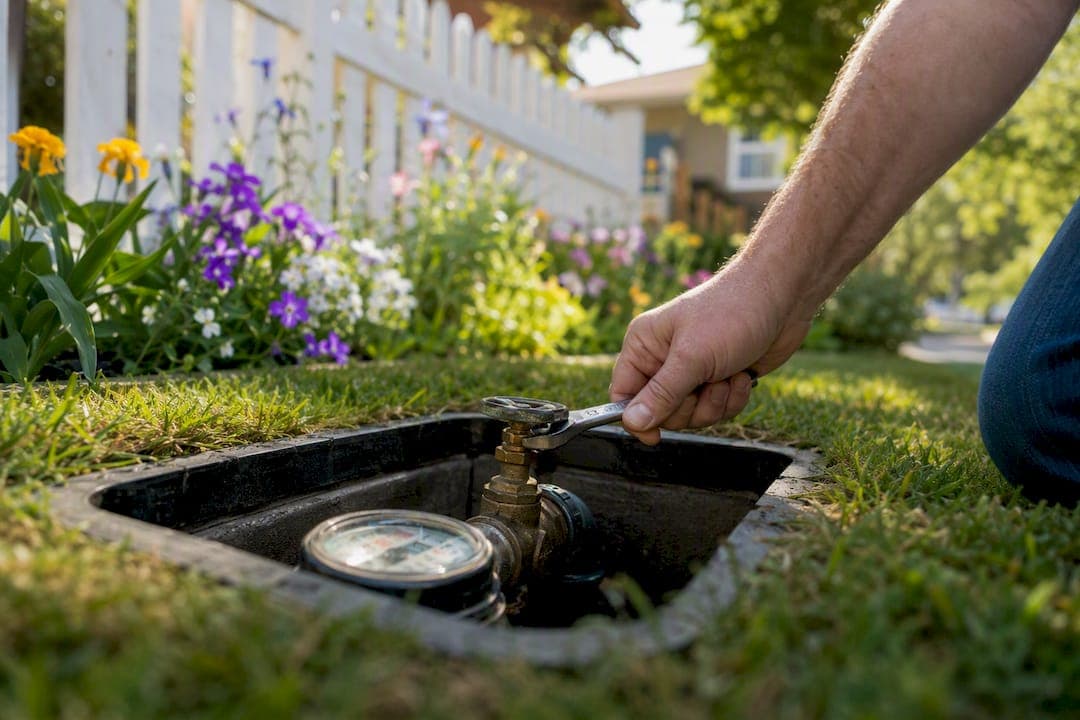
Most sudden spikes trace back to two things: a hidden leak or increased water use, whether that’s seasonal irrigation, extra guests, or an aging appliance. Your first move should take less than two minutes: check your water meter for movement when nothing is running, then follow up with a toilet dye test if you suspect the culprit is your bathroom.
- Turn off every faucet, appliance, and irrigation zone
- Read your meter, wait two hours, read it again
- If the number moved, something is using water you don’t know about
EPA data shows the average home leaks over 9,300 gallons a year — and fixing the easy, common leaks can cut your water bill by about 10 percent.
Key Takeaways
A high water bill almost always comes down to a leak, a real increase in use, or a change in how your utility bills you, and the two-hour meter test tells you which one you’re dealing with.
| Point | Details |
|---|---|
| Run the meter test first | Turn off all water, read the meter, wait two hours, and read it again to confirm a leak. |
| Toilets are the top suspect | A worn flapper or fill valve is the most common source of silent, continuous water loss. |
| Small leaks scale fast | A tiny irrigation leak can waste thousands of gallons a month if left unchecked. |
| Not every spike is a leak | Rate tiers, seasonal pricing, billing errors, and occupancy changes can raise a bill without a drop wasted. |
| Escalate on red flags | Call a licensed plumber like System Wide Services if the meter moves with everything off or you spot water damage. |
Table of Contents
- Common High Water Bill Causes Homeowners Overlook
- How Do You Check Your Water Meter for a Leak?
- Quick Fixes for the Most Common Leak Types
- Could the Problem Be Your Water Bill, Not Your Water Use?
- When Should You Call a Plumber About a Water Bill Spike?
- Preventing Future Water Bill Surprises
- Why Most Homeowners Miss Small Leaks Until the Bill Arrives
- Get Professional Leak Detection Before the Damage Spreads
- Sources
- FAQ
Common High Water Bill Causes Homeowners Overlook
A silent toilet leak is the single most common source of wasted water in an American home, and it’s the easiest to miss because the toilet never visibly overflows. Here’s what typically drives a bill higher than expected:
- Toilet flapper or fill valve failure — water leaks from the tank into the bowl continuously, often silently
- Dripping faucets — a single drip per second sounds minor but adds up fast over a billing cycle
- Shower valve or showerhead leaks — worn cartridges or washers let water seep past the shutoff
- Appliance supply-line leaks — washing machines, dishwashers, and ice makers connect through hoses that degrade over time
- Irrigation and sprinkler leaks — underground lines crack or valves stick open, and you rarely see the water
- Pool refills — evaporation is normal, but a pool that needs refilling every few days may be leaking
Some causes have nothing to do with leaks at all. Utility rate increases, seasonal pricing tiers, or a billing error can push your total up even when your usage barely changed. And sometimes the explanation is simply life: houseguests staying two weeks, a newly filled pool, more laundry loads, or longer showers in winter. Before you assume the worst, compare this month’s usage against the same month last year. If the increase lines up with a known change in your household, you may not have a leak at all, just a heavier water month.
How Do You Check Your Water Meter for a Leak?
The water meter test is the fastest way to confirm or rule out a leak, and you don’t need any tools beyond a flashlight and a notepad.
- Find your meter. It’s usually near the curb, in a covered box, or on an exterior wall.
- Turn off every water source in the house, including automatic ice makers and irrigation timers.
- Read the meter and write down the number, then wait two hours without using any water.
- Read it again. If the number moved, water is escaping somewhere in your system.
- Watch for the leak indicator, a small triangle or star wheel on many meters that spins continuously whenever water flows, even a trickle.
- Run the toilet dye test separately: add a few drops of food coloring to each tank, wait 15 minutes, and check the bowl. Color in the bowl means the flapper is leaking.
Pro Tip: Water softeners and some filtration systems run automatic regeneration cycles that use water briefly. If you’re testing for a leak, check your softener’s cycle schedule first or disable it temporarily so it doesn’t skew your two-hour reading.
Bring your readings, the date and time you tested, and any photos of the meter dial when you contact your utility or a plumber. The EPA’s home maintenance guidance notes that winter usage above 12,000 gallons for a family of four can signal a serious leak, since outdoor watering shouldn’t be a factor that time of year.
Quick Fixes for the Most Common Leak Types
Most leaks fall into a handful of categories, and several of them are fixable in an afternoon with basic tools.
- Toilets: A worn flapper is the number one repair. If the bowl fills slowly after a flush or you hear intermittent running, replace the flapper for a few dollars. WaterSense estimates a faucet dripping once per second wastes more than 3,000 gallons a year, and a leaking toilet can waste far more than that.
- Faucets and showerheads: Clean mineral buildup from the aerator, swap worn rubber washers, and check that supply connections are hand-tight plus a quarter turn.
- Appliance hoses: Inspect braided supply lines on washing machines and water heaters for bulges or corrosion, and replace them every five years regardless of appearance.
- Pools: Evaporation typically accounts for a quarter inch of water loss per week in most climates; anything faster points to a leak in the shell, plumbing, or skimmer line.
Underground service lines, main breaks, and slab leaks are different animals entirely. These require pressure testing, acoustic listening equipment, or camera inspection to locate, and digging without pinpointing the source first often means unnecessary excavation. If your yard has a random wet patch or your foundation area feels damp for no reason, that’s a job for a licensed plumber, not a weekend project.
Could the Problem Be Your Water Bill, Not Your Water Use?
Not every spike means something in your house is broken. Utilities structure bills differently, and those structures alone can raise your total.
- Rate tiers: Many utilities use increasing block rates, where the price per gallon rises once you cross a usage threshold, so a modest increase in use can trigger a disproportionate jump in cost.
- Seasonal or drought pricing: Some areas charge more per gallon during peak summer months regardless of your household’s actual consumption pattern.
- Billing and meter errors: A misread meter, a data entry mistake, or a meter swap that resets the baseline can all produce a bill that looks wrong even when your usage wasn’t.
- Appliance inefficiency: An aging water heater or a washing machine nearing the end of its life can use more water and more energy to do the same job it used to do more efficiently.
The EPA’s breakdown of how water bills are structured is worth reading if your bill jumped and your meter test came back clean. If a high bill is a real hardship, most utilities offer customer assistance programs worth asking about directly.
When Should You Call a Plumber About a Water Bill Spike?
Certain signs mean you should stop troubleshooting and call a professional right away.
- The meter still moves with everything off. This confirms an active leak somewhere in your system.
- You see wet drywall, ceiling stains, or standing water near fixtures, walls, or your foundation.
- A toilet runs continuously even after you’ve replaced the flapper.
- A patch of yard stays soggy or unusually green compared to the rest of your lawn.
If you spot any of these, shut off the main water valve or the fixture’s local shutoff, stop irrigation immediately, and photograph your meter reading with a timestamp. A licensed plumber will typically run flow monitoring, pressure testing, and sometimes camera inspection to pinpoint the source before recommending excavation, and most straightforward leak locates are completed the same day.
Preventing Future Water Bill Surprises
The best defense against another surprise bill is a mix of durable fixtures and simple monitoring. WaterSense-labeled toilets, faucets, and showerheads use meaningfully less water per use than older standard fixtures, and swapping them out pays for itself over time in lower bills.
- Replace toilet flappers roughly every five years, since rubber degrades even without visible damage
- Inspect irrigation heads and lines every spring before the watering season ramps up
- Consider a flow-monitoring or leak-detection device with automatic shutoff, especially if you travel often or can’t check your meter daily
- Ask your utility whether they offer advanced metering with high-use alerts, and pair it with an in-home device for faster detection
Pro Tip: In-home flow monitors often catch a leak days before your utility’s monthly reading would show it, which matters most for a slab leak or an irrigation valve stuck open overnight.
If you’re also rethinking your landscaping to cut outdoor use, a water-saving garden system can reduce how much irrigation your yard needs in the first place.

Why Most Homeowners Miss Small Leaks Until the Bill Arrives
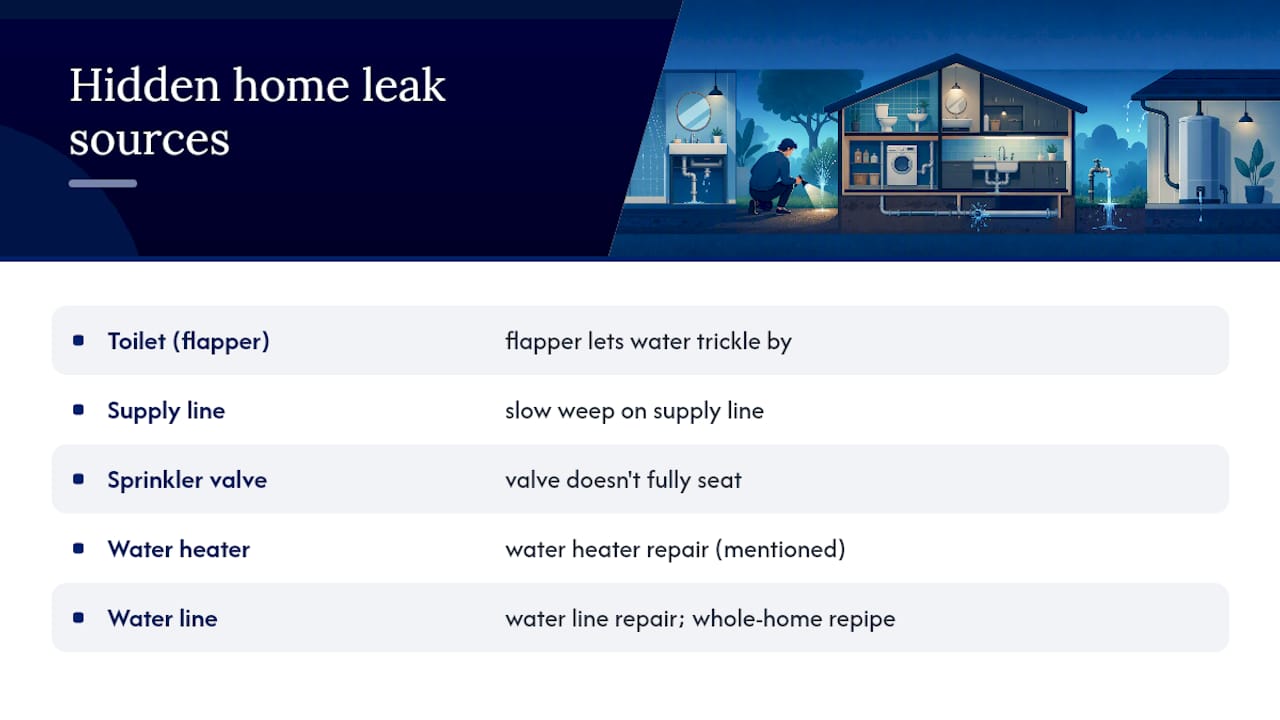
Minor leaks rarely announce themselves. A flapper that lets water trickle by, a supply line with a slow weep, or a sprinkler valve that doesn’t fully seat: none of these look urgent day to day. That’s exactly why the bill is often the first real warning sign, and why waiting for a visible puddle before you act tends to cost more in both water and repairs.
Van Castaneda has covered home services and utility issues extensively, with a focus on the disconnect between how homeowners perceive urgency and how these problems actually escalate. System Wide Services, a veteran and woman-owned home services company based in Cerritos, California, brings direct leak detection, water line repair, water heater repair, hydro jetting, and whole-home repipe experience to the same failures covered here.
— Van Castaneda
Get Professional Leak Detection Before the Damage Spreads
A DIY meter test tells you something’s wrong. It doesn’t tell you where, and guessing at that point usually means more water wasted while you figure it out. System Wide Services runs full leak detection using the same flow and pressure diagnostics a hidden leak requires, then gives you a clear estimate before any repair work starts, so you’re not left waiting on a mystery bill for a mystery problem.
Scheduling is straightforward: describe what you found during your meter test, and a licensed plumber can typically get to your property the same day for anything showing red flags like continuous meter movement or a soggy yard. The team handles everything from a simple flapper swap to main-line repair and whole-home repipe work, with the same upfront pricing and no upsell pressure on every job. If your meter confirmed a leak, or you just want a second opinion before you start tearing into drywall, book a plumbing inspection and get a straight answer instead of a guess.
FAQ
What Is the Main Cause of a High Water Bill?
Leaks are the most common cause, particularly silent toilet leaks and worn supply-line connections, though seasonal irrigation and rate changes also drive spikes.
What Uses the Most Water in a Typical Home?
Toilets and irrigation systems typically account for the largest share of household water use, which is why both are the first places to check when a bill jumps.
How Do I Know if I Have a Hidden Leak?
Run the two-hour meter test with everything off; if the reading changes, water is escaping somewhere, and a toilet dye test can confirm whether the bathroom is the source.
Can a Water Softener Cause a High Bill?
Yes. A malfunctioning water softener or filtration system that regenerates too frequently, or gets stuck mid-cycle, can quietly waste hundreds of gallons without any visible sign.
When Should I Call a Plumber Instead of Troubleshooting Myself?
Call immediately if the meter still moves with all water off, you notice wet walls or ceilings, or a section of your yard stays soggy. A licensed plumber like System Wide Services can pinpoint hidden leaks with flow and pressure testing before damage spreads.
Recommended
Need a hand with this? We've got you covered.
System Wide Services handles plumbing, electrical, and handyman work across Long Beach and LA & Orange County.