
Whole House Repipe Cost in California (2026 Guide)
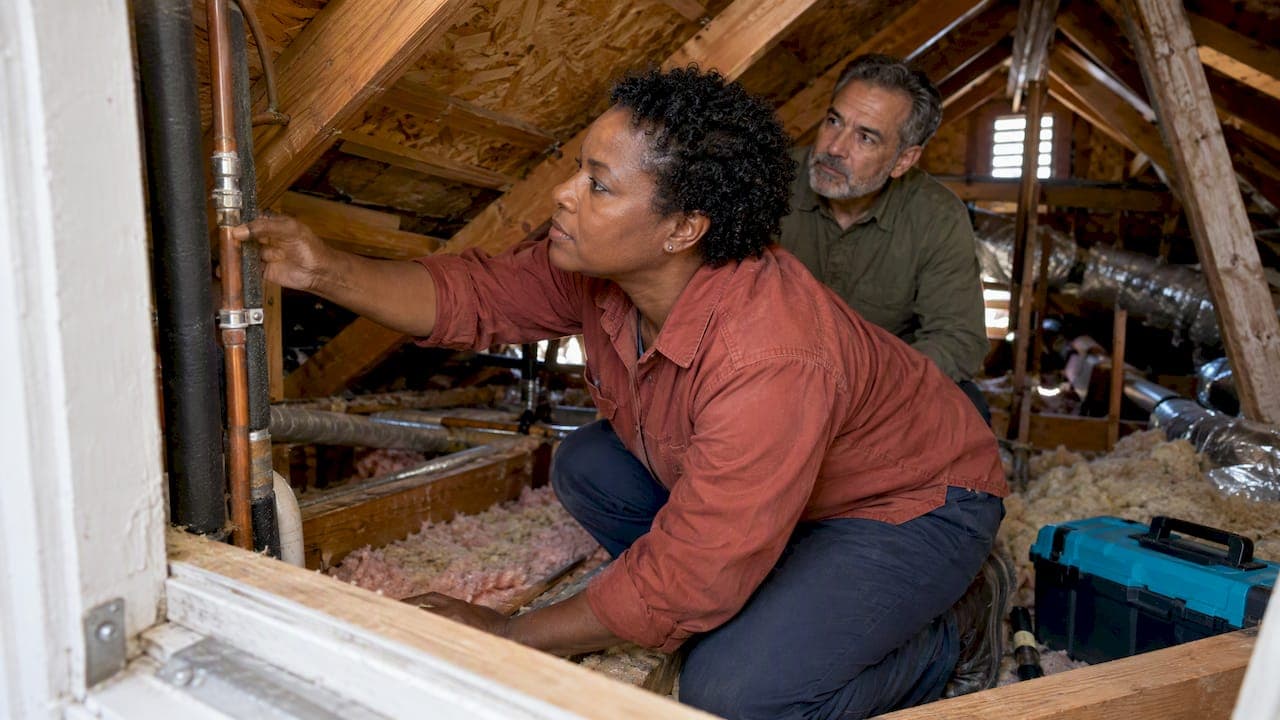
Most California homeowners should expect a whole-house repipe to land somewhere between $4,000 and $25,000, depending on pipe material, home size, and how hard the pipes are to reach. A typical three-bedroom home sits in the middle of that range, and Los Angeles and Orange County quotes tend to run higher than the state average. Below, we break down where the numbers come from, what pushes a quote up or down, and how to read an estimate so you know what you are paying for.
TL;DR
- A 2026 California guide puts a typical three-bedroom repipe at $6,500 to $25,000, with PEX at $4,000 to $10,000 and Type L copper at $10,000 to $15,000.
- Material, square footage, number of bathrooms, wall and slab access, and drywall repair are the biggest cost drivers.
- A repipe generally needs a permit and an inspection, so a quote that skips both is a red flag.
- Expect roughly 3 to 7 days of work with the water off for most of it.
- Get a written, itemized quote that states what is included, including drywall patching and paint.
Table of Contents
- What a whole-house repipe costs in California
- PEX vs. copper: how the choice changes your price
- What drives a repipe estimate up or down
- What a complete repipe quote should include
- Permits and licensing in California
- How long a repipe takes and what to expect at home
- Is it time to repipe, or can you repair?
- Our perspective: what we tell homeowners about repipe pricing
- Get a repipe quote from System Wide Services
- How to keep the cost down without cutting corners
- FAQ
- Sources
What a whole-house repipe costs in California
A whole-house repipe replaces the supply lines that bring water to every fixture in the house: the hot and cold lines to sinks, toilets, showers, the water heater, washing machine and outdoor hose bibs. It does not replace your drain or sewer lines, which are a separate job.
Published ranges vary because every source measures a slightly different mix of homes. Here is how the California figures compare:
| Scope | Typical range | Source |
|---|---|---|
| Typical three-bedroom California home, all materials | $6,500 to $25,000 | CountBricks, 2026 |
| PEX repipe | $4,000 to $10,000 | CountBricks, 2026 |
| Type L copper repipe | $10,000 to $15,000 | CountBricks, 2026 |
| Permit fees | $250 to $500 | CountBricks, 2026 |
The wide spread is real, not sloppy. A one-story, 1,200-square-foot house with one bathroom and open attic access is a very different job from a two-story, 3,000-square-foot home with finished walls and a slab foundation.
Metro areas also cost more. Quotes in Los Angeles and the San Francisco Bay Area often exceed statewide averages because of local permit fees, overhead and labor rates. If you live in Los Angeles or Orange County, plan toward the upper half of any state-wide range until you have a written quote in hand.

What about a 3,000-square-foot house?
No reputable source publishes a single price for a house that size, and we would not trust one that does. What we can say from the ranges above is that larger homes need more pipe, more fixtures, more access points and more days of labor, so they sit toward the top of whichever material range you choose. Bathroom count and the number of stories usually matter more than raw square footage, because fixtures are where the pipe has to go. A 3,000-square-foot home with five bathrooms and a second floor is a bigger job than a sprawling ranch with two.
The only accurate number for your house is one from a plumber who has walked it, looked at the attic or crawl space, and counted the fixtures.
PEX vs. copper: how the choice changes your price
Pipe material is the largest single lever on your quote.
PEX is flexible plastic tubing. It can be fished through walls and attics with fewer cuts into drywall, which cuts labor and patching. Installers also work faster with it. One 2026 industry guide notes that PEX-A is worth evaluating for most homes because of its resilience, speed of installation and approval under current California codes.
Copper costs more in material and labor, since it is rigid, needs soldered joints and takes longer to route. It is also a long-lived material with a track record, and some homeowners prefer it for exposed runs or for the look and familiarity. Copper’s higher price is mostly time and material, not a sign of a better-run job.
So what does it cost to replace copper with PEX? Using the same California guide’s ranges, a PEX repipe at $4,000 to $10,000 generally comes in well under a copper job at $10,000 to $15,000. Your savings depend on access and how many fixtures are involved.
A few practical points when choosing:
- Water quality. If your area has aggressive or very hard water, ask the plumber which material they recommend for your supply and why.
- Exposed runs. Pipe in direct sunlight outdoors is a different question from pipe inside a wall. Ask what goes where.
- Resale. Either material is accepted by the buyers and inspectors we hear about, as long as the work was permitted and inspected.
- Warranty. Ask for the workmanship warranty and the manufacturer warranty in writing.
What drives a repipe estimate up or down
Two quotes for the same house can differ by thousands of dollars. These are the factors that account for most of the gap.
- Number of bathrooms and fixtures. Every fixture needs its own supply connection and shutoff. Kitchens and laundry rooms count too.
- Stories and layout. A second story means longer vertical runs and more wall work. Homes where bathrooms are spread far from the water heater need more pipe.
- Access. Open attics and crawl spaces make for faster, cheaper work. Slab-on-grade homes, finished basements, and tight or insulated attics add labor.
- Wall repair. Some walls must be opened. The question is how many, and who patches and paints them. This is the most commonly misunderstood line item.
- Pipe material. See the section above.
- Permits and inspection. Fees are set by your city or county.
- Water heater, valves and pressure regulator. Replacing old shutoffs, a failing pressure regulator or an aging water heater at the same time is more efficient than doing it later, but it is added cost.
- Existing pipe condition. Old galvanized steel is often corroded inside, which can complicate disconnects and demolition.
- Your location. Southern California metro labor and overhead rates generally run higher than inland or rural areas.
Slab homes
If your supply lines run under a concrete slab, plumbers often reroute the new lines through the attic or walls instead of breaking the concrete. That is a design choice that changes the quote, so ask which approach is being priced. A leak that is already under the slab may also be a separate repair; read more about acoustic leak detection and water tests before a repipe to find out whether you need a full job or a targeted fix.
What a complete repipe quote should include
A repipe scope normally covers new supply lines, shutoffs, connections, a pressure test, inspection and basic drywall patching. Finish work and paint may be extra. That last sentence is where surprise bills come from, so ask directly.
Use this checklist when comparing bids:
- Pipe material and brand named in writing
- Number of fixtures and shutoffs being replaced
- Permit and inspection included, and who pulls the permit
- Pressure testing before walls are closed
- Drywall patching: how many openings, and whether texture and paint are included
- Water heater connections and any code upgrades
- Cleanup and debris haul-away
- Start date, expected number of days and when water will be off
- Payment schedule and what the warranty covers
- The contractor’s license number
If one bid is far lower than the others, compare line by line. It is often missing the patching, the permit, or the full fixture count.
Permits and licensing in California
California plumbing rules generally treat replacement of concealed piping as new work, which requires a permit. Fees are local. As one example, the City of Anaheim’s plumbing fee schedule from 2019 listed $97 for water-distribution repiping, and today’s number may differ, so check your own city’s current schedule. The permit guide above puts typical permit costs at $250 to $500 once the full job is counted, so treat it as a real line item.
The permit matters for more than legality. An inspector confirms the work before the walls close, and a closed permit protects you when you refinance or sell. Unpermitted plumbing can surface in an escrow inspection and slow a sale.
Before signing, confirm the contractor holds an active California contractor license for plumbing through the state licensing board. Our walkthrough on how to find and verify a licensed plumber shows the steps. Never pay a large deposit to someone who cannot give you a license number.
How long a repipe takes and what to expect at home
Plan on 3 to 7 days of actual work, with water off for most of those days, so you will want to shower elsewhere. Smaller homes with good access sit at the short end. Larger homes, slab homes and jobs with extensive wall repair sit at the long end.
A well-run job generally looks like this:
- Assessment and quote. The plumber inspects the home, counts fixtures and checks access.
- Permit. The permit is pulled before work begins.
- Shutoff and removal. Water is turned off and the old lines are disconnected and removed or abandoned.
- New lines installed. Supply lines, shutoffs and fixture connections are run.
- Pressure test and inspection. The system is tested and inspected before walls are closed.
- Patching and cleanup. Openings are repaired and the site is cleaned.
Tips that make it smoother: clear access to closets, garages and the area around the water heater, move valuables away from walls being opened, and plan for pets and kids. Ask whether the crew can leave a working water supply at the end of each day, which some plumbers can do.
Is it time to repipe, or can you repair?
Not every leak means a repipe. A single failed fitting or a pinhole in one run can be repaired for far less. But some patterns point to a system-wide problem:
- Repeated pinhole leaks in different parts of the house
- Discolored, rusty or metallic-tasting water from several fixtures
- Low water pressure throughout the house, especially in homes with older galvanized steel
- A water bill that climbs with no change in usage
- Damp spots, stained ceilings or warm patches on a slab floor
The cost of waiting is not only the repipe itself. Repeated patching, water damage and mold remediation can add up to more than a planned replacement. Before you commit, ask for leak detection and a water pressure test, so the decision rests on evidence instead of a sales pitch.
Our perspective: what we tell homeowners about repipe pricing
We are a licensed, veteran and woman-owned team based in Cerritos, and we handle plumbing, electrical and handyman work in-house for homeowners across Los Angeles and Orange County. That in-house setup is why we think about repipes differently than a plumber who hands off the finishing details.
A repipe is a plumbing job with a drywall job attached. If the plumber, the patching and the paint belong to three different contractors, the homeowner ends up managing the schedule and absorbing the gaps. We keep the trade work and the finishing under one roof so the quote you receive describes the whole project.

Our advice on price is simple. Do not shop on the bottom line alone. Ask what is included, ask who pulls the permit, ask how many walls will be opened and who repairs them. We give upfront pricing after we see the house, and we do not pressure you into extra work. If a targeted repair will solve your problem, we will tell you that instead of selling a repipe.
We also encourage homeowners to confirm a leak source before replacing pipe, which is why leak detection is part of how we evaluate older homes.
— Van Castaneda
Get a repipe quote from System Wide Services
If you live in Cerritos, Long Beach or elsewhere in Los Angeles or Orange County, our whole-home repipe service starts with a walkthrough, a clear written scope and upfront pricing. You can see how we handle other plumbing work on our plumbing services page, or browse our recent project gallery. Call us for same-day scheduling when a leak cannot wait.
How to keep the cost down without cutting corners
- Get three itemized quotes. Compare scope, not just price.
- Clear access ahead of time. Crews work faster when they can reach the attic, water heater and closets.
- Bundle related work. If your water heater is near the end of its life, replacing it during the repipe avoids a second visit. Read our guide on California water heater permits if you are planning that too.
- Ask about financing. Larger projects can be easier to manage with a payment plan, so ask what terms are offered and read them closely.
- Do not skip the permit. It is a small share of the project cost and protects you at resale.
- Choose the material for your home, not the price tag. PEX saves money on many houses, but your plumber should explain the choice.
FAQ
How much does a whole-house repipe cost in California?
A 2026 California guide lists $6,500 to $25,000 for a typical three-bedroom home, with PEX at $4,000 to $10,000 and copper at $10,000 to $15,000. Los Angeles and Orange County often fall on the higher side. A written quote after an in-person walkthrough is the only way to get your real number.
Is PEX cheaper than copper for a repipe?
Usually, yes. PEX is flexible, faster to install and typically needs fewer wall openings, which lowers labor and patching costs. The ranges above show PEX at $4,000 to $10,000 against $10,000 to $15,000 for copper, though access and fixture count can narrow the gap.
Do I need a permit to repipe my house in California?
Generally yes. Replacing concealed piping is treated as new plumbing work that needs a permit and an inspection. Fees and rules are set by your city or county, so ask your plumber who pulls the permit and what it costs.
How long will my house be without water?
The work usually takes 3 to 7 days, and the water is off for most of that time. Ask your plumber for a day-by-day schedule and whether temporary water service is possible overnight.
Does the quote include drywall repair and paint?
Basic drywall patching is usually part of the scope, but finish work and paint may cost extra. Confirm in writing how many openings are expected and whether texture and paint are included.
Sources
- CountBricks: How Much to Repipe a House in California?
- Cost to Repipe a House in California (2026)
- Whole-House Repipe in 2026: Cost, Timeline, and What to Expect
- City of San Bruno: 2022 Permits Exempt
- City of Anaheim: Plumbing Permit Application and fee schedule
Recommended
Need a hand with this? We've got you covered.
System Wide Services handles plumbing, electrical, and handyman work across Long Beach and LA & Orange County.