
Fix Sewer Smell Fast: 4 Causes Long Beach Homeowners Should Check
If your house smells like a sewer, the cause is almost always one of four things: a dry P-trap, a failed toilet wax ring, a blocked vent stack, or a sewer-line problem. Start by ventilating the space, and if anyone feels dizzy or nauseated, leave and get fresh air immediately. Then run water in every drain, flush every toilet, and check that your sewer cleanout cap is on tight. Most cases resolve with these three steps; if the odor persists, it’s time for a professional diagnostic.
TL;DR:
- Most sewer odors originate from dry traps, failed wax rings, blocked vent stacks, or sewer line issues, which can often be fixed with basic checks and water refills.
- Persistent smells after DIY steps may require advanced diagnostics like smoke testing or sewer camera inspections to identify leaks, cracks, or contamination.
- Weather conditions such as heavy rain, temperature fluctuations, or blocked roof vents can temporarily worsen odors by increasing ground pressure or drying out traps.
- Regular maintenance, including monthly trap refills and annual inspections, helps prevent sewer gases from escaping and minimizes the need for costly repairs.
Table of Contents
- What to Do Right Now When You Smell Sewer Gas
- Room-by-Room Causes and Fixes
- The Diagnostic Ladder: From Free Checks to Pro Tools
- When the Smell Won’t Go Away: Red Flags and Repair Costs
- Preventing Sewer Odors Before They Start
- Who Handles This Locally and What to Expect From a Service Call
- Loose or Missing Sewer Cleanout Cap: An Easy Miss
- How Sewer Gas Exposure Affects Your Health
- Why Sewer Smells Get Worse With the Weather
- Sump Pumps and the Smells That Come With Them
- An Author’s Take: Fix the Cheap Thing First
- Get a Professional Sewer Inspection Booked
- Sources
- FAQ
What to Do Right Now When You Smell Sewer Gas
Before you troubleshoot anything, check how you feel. Headaches, nausea, dizziness, or eye irritation alongside a strong sewage odor can point to elevated hydrogen sulfide levels, and that’s not something to tough out. Open windows, turn on exhaust fans, and if symptoms don’t ease quickly outdoors, call for medical help. This is rare with typical household odor, but it’s the one scenario where you skip troubleshooting and act on safety first.
Once the room is ventilated and everyone feels fine, work through this list in order:
- Run water for 30 seconds in every sink, shower, and tub, including ones you rarely use. Dry traps are the single most common cause of intermittent sewer odor.
- Flush every toilet in the house, even guest bathrooms.
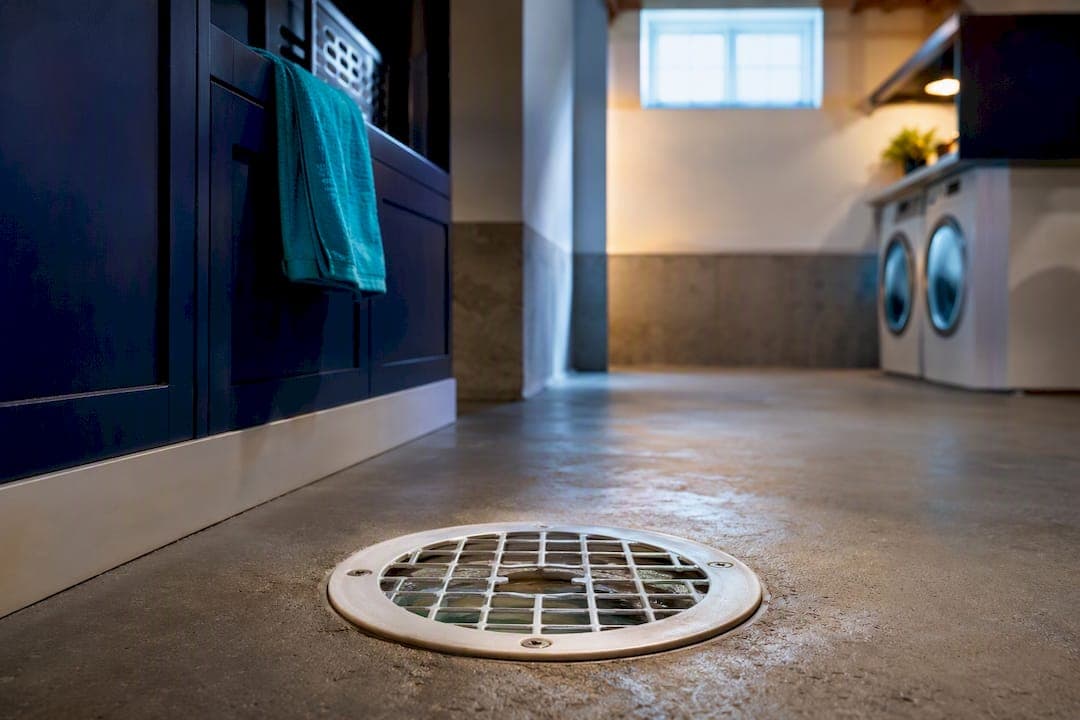
- Pour a cup of water into floor drains in the basement, garage, or utility room. These dry out fastest because they see the least use.
- Locate your sewer cleanout cap (usually a round or square plastic fitting near the foundation or in the yard) and hand-tighten it if it looks loose.
- Inspect your toilet base for rocking or a hairline gap between the porcelain and the floor, a possible sign of a failing wax ring.
If the smell fades after these steps, you’ve likely fixed it. A dab of mineral oil in seldom-used traps slows future evaporation, and running the garbage disposal with ice cubes and a bit of salt can knock loose grime that’s contributing to the odor. What you should not do is reach for bleach or air fresheners as a fix. Masking agents don’t seal a leak; they just hide it temporarily, and mixing cleaning chemicals in an enclosed space can create its own hazard.
Pro Tip: Keep a small bottle of mineral oil under each rarely used sink. A tablespoon poured into the drain every few weeks floats on top of the trap water and slows evaporation dramatically, which means fewer dry-trap odors in guest bathrooms and basement floor drains.
If you’ve run through this checklist and the smell keeps coming back within a day or two, stop guessing and move to a more targeted diagnosis.
Room-by-Room Causes and Fixes
Odor location tells you a lot. Sewer gas doesn’t travel far once it enters a room, so tracking down which space smells worst narrows your search dramatically.
Kitchen. The garbage disposal chamber is a common culprit. Food particles and grease build up along the splash guard and inner walls, creating a biofilm that smells worse than actual sewage in some cases. Run the disposal with cold water and a handful of ice, then follow with dish soap. If the smell persists, remove the rubber splash guard and scrub the underside by hand; that’s where buildup hides longest. A sink trap under the same cabinet can also dry out if the disposal side gets more use than the sink drain itself.
Bathroom sinks, showers, and tubs. Hair and soap scum narrow the trap opening and create the same biofilm problem as kitchen disposals, and a phenomenon called trap siphonage can pull water out of a P-trap when a nearby fixture drains too fast. Clean the drain with a zip tool or plumber’s snake, then run water for a full minute to confirm the trap refills and holds.
Toilets. A rocking toilet, a stain spreading from the base, or a smell that’s strongest at floor level near the toilet all point toward a failed wax ring or a flange sitting slightly out of position. This isn’t a DIY fix you should attempt without removing the toilet, and if you’re not comfortable resetting a toilet on a new wax ring, this is one to hand to a plumber.
Basement and utility floor drains. These dry out constantly because most homes only send water through them during a washing machine cycle or an occasional mop bucket. Refill them monthly, and consider a trap primer, a small device that automatically feeds a trickle of water into the trap so you don’t have to remember.
Laundry standpipes. The open pipe your washing machine drains into has its own trap, usually hidden in the wall. If it’s rarely used or the washer was recently replaced, that trap can run dry the same way a floor drain does. Pour a pitcher of water directly into the standpipe opening if you can access it.
The Diagnostic Ladder: From Free Checks to Pro Tools
Sewer smells that come and go usually leave clues, so before you touch anything, note three things: when the smell shows up (after rain, after laundry, only at night), where it’s strongest, and what changed recently in the house (new appliance, remodel, extended vacancy). That pattern often points straight to the cause.
Start with the free checks:
- Refill every trap you can reach (sinks, tubs, floor drains) and flush all toilets.
- Tighten the sewer cleanout cap and inspect the gasket for cracks.
- Add mineral oil to traps in rooms you use infrequently to slow future evaporation.
- Run a soap-bubble test around toilet bases and cleanout fittings. Bubbles forming without water flowing nearby suggest gas is escaping through a seal.
- Check ceilings and walls near bathrooms for water staining, which can indicate a slow leak feeding the odor rather than gas alone.
If the smell survives that entire list, it’s time for tools you likely don’t own:
- Smoke testing: A plumber pumps nontoxic smoke into the drain system and watches where it escapes, pinpointing leaks behind walls or under floors that are otherwise invisible.
- Camera inspection: A flexible camera travels through the sewer line, showing root intrusion, cracks, or grease buildup on a live video feed.
- Pressure testing: Useful for confirming whether a suspected crack or joint separation is actually venting gas under normal household use.
Each diagnostic points toward a specific fix. A smoke test that reveals gas at a toilet base means a wax-ring replacement. A camera inspection showing scale and grease buildup usually calls for hydro-jetting rather than a full pipe replacement. Root intrusion or a collapsed section, though, typically means spot repair or a section of pipe replacement, not just cleaning.
When the Smell Won’t Go Away: Red Flags and Repair Costs
Some situations call for a professional visit without wasting time on DIY steps first. Watch for these red flags:
- The odor fills multiple rooms or the whole house rather than staying in one spot.
- Several drains gurgle or drain slowly at the same time.
- Sewage has actually backed up into a tub, shower, or floor drain.
- Anyone in the home has developed headaches, nausea, or breathing irritation that improves once they leave the house.
If you suspect a genuinely dangerous gas buildup, ventilate immediately, get everyone outside, and call emergency services before attempting any troubleshooting. That’s an extreme scenario, but it’s not one to gamble on.
For everything short of that, a plumber’s diagnostic toolkit typically includes smoke testing and sewer camera inspection to locate the exact failure point, followed by hydro-jetting for buildup or targeted excavation when a pipe section has failed structurally. Cost depends heavily on what the camera finds. A video inspection alone is a modest, flat fee. Add hydro-jetting to clear grease or root intrusion, and the price climbs based on line length and access. Excavation and pipe replacement cost the most, since it involves cutting into landscaping, driveways, or slab foundations depending on where the damaged section sits. A plumber who runs the camera before quoting a repair is doing you a favor: it turns a guess into a fixed scope of work.

Preventing Sewer Odors Before They Start
A little routine maintenance keeps most of these problems from ever reaching your nose.
- Monthly: Run water through every drain in the house, including ones in guest bathrooms and basements you don’t use daily.
- Seasonally: Check your sewer cleanout cap for tightness and clear any visible debris from vent stack openings on the roof if you can safely see them from ground level (leave rooftop work to a professional).
- For rarely used fixtures: Add mineral oil to the trap every few weeks, or install a trap primer for a permanent, low-maintenance solution.
- Annually: Schedule a professional drain inspection, and consider periodic hydro-jetting if your home has older cast-iron or clay sewer lines prone to buildup.
- During renovations: Replace toilet wax rings preemptively any time a toilet is removed for flooring or remodel work, rather than reusing an old gasket.
Pro Tip: If your home sits on a slab and has a history of sewer backups, ask about a backwater valve. It’s a one-way device installed in the main line that blocks sewage from flowing backward into your house during a municipal line surcharge, which is common during heavy rain in older neighborhoods.
Vacant homes and vacation properties are especially prone to this problem. If you’re away for more than a few weeks, ask a neighbor to run water through the drains, or add mineral oil to every trap before you leave.
Who Handles This Locally and What to Expect From a Service Call
Diagnosing sewer odor accurately takes the right equipment, not just experience. System Wide Services runs camera inspections to see inside the line, hydro-jetting to clear grease and root intrusion, sewer-line repair for damaged sections, and sewer cleanout installation for homes that don’t have easy access to their main line. If a wall stain or intermittent smell suggests a hidden leak rather than gas, leak detection tools can confirm it before anyone opens a wall.
System Wide Services is veteran and woman-owned, has served the Cerritos and greater Long Beach area for roughly eight years, and maintains a 5.0 average customer rating. Financing options are available for larger repairs like excavation or line replacement.
Before a technician arrives, jot down a few details: when the smell started, which rooms it’s strongest in, whether it comes and goes with weather or water use, and any recent remodeling or plumbing work. A few photos of stains, toilet base gaps, or the cleanout location speed up the visit considerably.
Loose or Missing Sewer Cleanout Cap: An Easy Miss
The sewer cleanout is a capped pipe fitting, usually a few inches wide, that gives plumbers direct access to your main line without pulling a toilet or opening a wall. It’s often near the foundation, in a side yard, or inside a garage floor. Because it’s rarely touched, a loose or missing cap is one of the more overlooked sources of sewer odor.
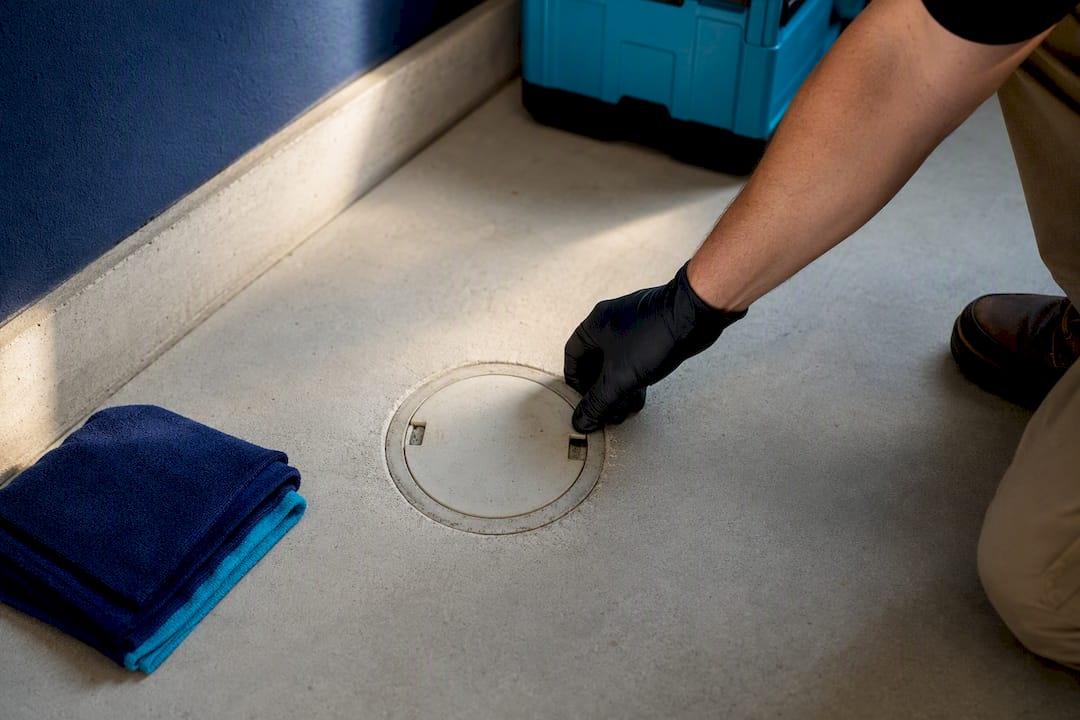
Caps loosen over time from foot traffic, lawn equipment vibration, or simple age. Some go missing entirely after landscaping work or a prior repair where nobody replaced it correctly. Either way, gas from the main line vents straight into the yard or garage air instead of staying sealed in the pipe.
Check yours by walking your property line and garage floor for a round or square plastic or metal cover, often labeled or slightly raised above grade. If you find it loose, hand-tighten it; most caps thread on and don’t need tools. If the gasket looks cracked or the cap is missing outright, replace it. Hardware stores carry standard-size caps, but if you’re not sure which size or thread pattern your cleanout uses, a plumber can match it in minutes.
Homes that lack a cleanout altogether, common in older construction, make this whole process harder every time a line needs attention. Installing a proper cleanout solves that permanently and gives future service visits a clean access point instead of guesswork.
How Sewer Gas Exposure Affects Your Health
Sewer gas is a mix of hydrogen sulfide, methane, and other byproducts of decomposing waste. Hydrogen sulfide is the one you’ll notice first, since it’s responsible for the classic rotten-egg smell even at very low, harmless concentrations.
At low levels, the kind most homeowners encounter from a dry trap or a loose cleanout cap, hydrogen sulfide typically causes eye irritation, headache, and mild nausea. These symptoms usually resolve quickly once you leave the room or open a window. It’s unpleasant, but not dangerous at the concentrations typical indoor leaks produce.
Higher concentrations, the kind associated with sewer-line failures venting directly into an enclosed space, are a different matter. Dizziness, confusion, and respiratory irritation that don’t improve with fresh air warrant a call to a doctor or emergency services rather than more troubleshooting. Methane, while generally less immediately irritating, is flammable and adds a separate risk if it accumulates in an enclosed area near an ignition source.
Practical safety measures matter more than any air freshener. Keep the house ventilated during any active troubleshooting, avoid using open flames or striking sparks near a suspected gas leak, and don’t let anyone linger in a small, poorly ventilated space (a bathroom, a utility closet) if the odor is strong there. If you have a carbon monoxide detector but no combustible gas detector, consider adding one; they’re inexpensive and give you an objective reading instead of relying on your nose alone.
Why Sewer Smells Get Worse With the Weather
If your sewer odor seems to show up after a storm or disappear for weeks at a time, weather is very likely the reason, not a coincidence.
Heavy rain saturates the soil around underground sewer lines and can overwhelm municipal systems, pushing gas and, in worse cases, wastewater back up through household drains and floor traps. Homes with older or partially deteriorated lines are more susceptible, since ground saturation puts extra pressure on cracks or root-damaged joints that stay quiet in dry weather.
Barometric pressure swings play a role too. A rapid pressure drop ahead of a storm can pull air (and gas) up through drains more easily, especially through traps that are already running low on water. This is one reason the same dry trap that’s silent all summer suddenly announces itself the week a big system rolls through.
Heat works differently but gets to the same result. High outdoor temperatures speed up evaporation in exposed or rarely used traps, particularly floor drains in a garage or basement that already run thin most of the year. A hot, dry stretch in late summer can dry out a trap in weeks that might have taken months during a mild season.
Cold weather adds its own twist: frozen or ice-blocked roof vent stacks stop functioning as pressure-relief points, and that backs gas pressure into the drain system, sometimes forcing it out through the weakest seal in the house, often a toilet base or a floor drain. If your odor tracks suspiciously well with your local forecast, that’s a legitimate diagnostic clue, not just an odd pattern.
Sump Pumps and the Smells That Come With Them
Sump pumps handle groundwater, not sewage, in a properly installed system, but they still generate their own set of odor complaints that homeowners often confuse with a sewer-line problem.
The sump pit itself can develop a musty, stagnant smell simply from standing water and the organic debris (soil, leaves, mineral deposits) that collects at the bottom over time. That’s usually a maintenance issue rather than a plumbing failure. A pit cover that doesn’t seal tightly lets that smell escape into the basement air, and a quick fix is often just a better-fitting lid or a foam gasket around the rim.
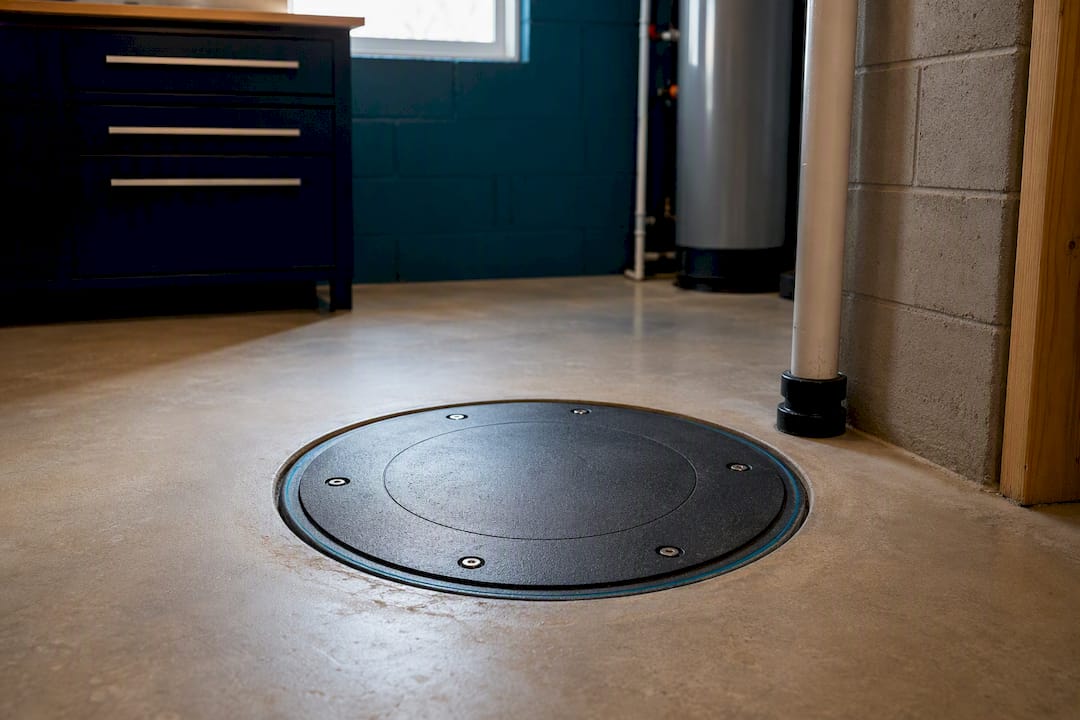
Where it gets more serious is a sump system that’s cross-connected, intentionally or accidentally, to a sewage ejector line or sits close enough to a failing sewer connection that gas migrates through the surrounding soil. If the smell near your sump pit resembles sewage rather than musty basement air, that’s worth treating as a genuine sewer-odor case rather than routine pit maintenance, and it deserves the same diagnostic ladder as any other suspected leak.
A dry trap on the discharge line is another possibility if your sump system uses one, which functions exactly like any other household trap and can dry out the same way during long stretches without pump activity. Keeping the pit clean, the cover sealed, and the discharge trap checked periodically prevents most sump-related odor complaints before they start.
An Author’s Take: Fix the Cheap Thing First
Most sewer odor complaints I’ve looked into get overcomplicated fast. Homeowners jump straight to worrying about a collapsed sewer line when the actual cause is a floor drain that hasn’t seen water in three months. That’s the mindset worth adopting here: rule out the cheap, five-minute fixes before you let anyone talk you into excavation.
The diagnostic ladder exists for a reason. Skipping straight to a camera inspection when you haven’t even flushed every toilet in the house wastes money on a service call that a pitcher of water would have solved. On the flip side, don’t keep pouring water into traps for three weeks if the smell keeps returning within days; that pattern usually means something structural, and it’s time to bring in the right tools.
Write down when the smell shows up and what changed beforehand. That single habit turns a vague complaint into a diagnosis a plumber can act on immediately.
— Van Castaneda
Get a Professional Sewer Inspection Booked
Once you’ve worked through the trap refills, the cleanout check, and the toilet inspection and the smell keeps coming back, a camera tells you in minutes what guesswork can’t. System Wide Services runs sewer-line camera inspections, hydro-jetting, and full sewer-line repair and replacement across Cerritos, Long Beach, and the surrounding Los Angeles and Orange County communities, backed by a veteran and woman-owned team with a 5.0 average customer rating.

Booking is straightforward: reach out through the plumbing services page and describe what you’re experiencing, when the smell started, which rooms it’s strongest in, and any recent remodeling work. A technician can usually diagnose the cause on the same visit with a camera or smoke test, then walk you through repair options on the spot, including financing for larger jobs like line replacement. If the source turns out to be a missing cleanout rather than a line issue, that’s a quick, affordable fix compared to guessing your way through months of recurring odor.
Sources
For readers who want to dig deeper into sewer-gas diagnosis and safety, these resources cover the topic in more technical detail:
- Sewer or septic gas odor diagnosis & cure — InspectAPedia
- Sources of sewer gas — AskTheBuilder
- Sewer gas — Wisconsin Department of Health Services
This article is general information, not a substitute for advice from a qualified doctor. Consult a qualified healthcare professional about your own circumstances before acting on anything here.
FAQ
How Do I Fix the Sewer Smell in My House?
Start by running water in every drain and flushing every toilet to refill dry traps, then check your sewer cleanout cap for tightness. If the smell returns within a few days, a wax-ring issue, blocked vent, or sewer-line problem likely needs professional diagnosis with a smoke test or camera inspection.
How Do I Find the Source of Sewer Smell in My House?
Track the smell by room and note when it’s strongest, since that pattern usually points to a specific fixture. Check floor drains and rarely used sinks first for dry traps, inspect the toilet base for rocking, and use a soap-bubble test around cleanout fittings and seals to spot escaping gas.
Is Sewage Smell in a House Harmful?
At the low concentrations typical of a dry trap or loose seal, hydrogen sulfide usually causes mild headache, nausea, or eye irritation that clears up once you ventilate the space. Symptoms that persist after leaving the area, or a very strong ongoing odor, warrant medical attention rather than continued troubleshooting.
Why Does Sewer Smell Come and Go?
Intermittent odor is usually tied to trap evaporation, weather changes, or vent-stack pressure shifts rather than a constant leak. Heavy rain, sudden heat, or a temporarily blocked roof vent can each trigger a smell that disappears once conditions change or a trap refills on its own.
Recommended
Need a hand with this? We've got you covered.
System Wide Services handles plumbing, electrical, and handyman work across Long Beach and LA & Orange County.