
US Homeowners: Find and Verify a Licensed Plumber With Your State Board
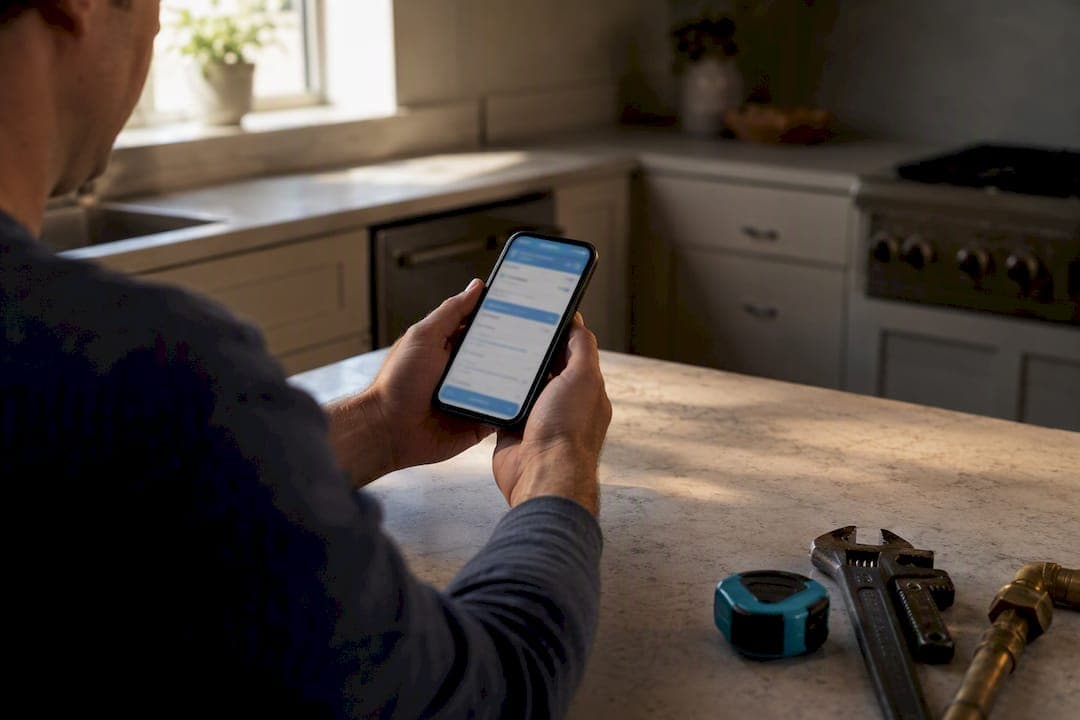
The fastest way to find and verify a licensed plumber is to use your state licensing board’s online lookup tool and check the license status yourself before any work begins. Ask the plumber directly for a license number and proof of active insurance, then compare what they tell you against the board’s record. If anything looks unclear or outdated, call the state board or your local building department to confirm before signing a contract.
TL;DR:
- Verify license status and active insurance using your state’s official online lookup tool before hiring any plumber.
- Confirm the plumber’s license classification, expiration date, and bond or permit authority to ensure they are qualified for your specific project.
- Ask to see physical or digital proof of licensing, insurance, and bonding documents on-site and call the issuing agency to verify their validity.
- Document all verification steps with screenshots and record license details before the work begins to prevent disputes or unlicensed work issues.
- Avoid cash-only payments, vague reviews, and license numbers that mismatch between quotes and invoices to reduce the risk of unlicensed or fraudulent contractors.
Table of Contents
- How to Find a Licensed Plumber in Four Quick Steps
- What Do State Licensing Boards Actually Show You?
- Other Ways to Verify a Plumber Beyond the State Database
- Questions to Ask Before Hiring, and Paperwork to Keep
- Why Hiring a Licensed Plumber Actually Matters
- How System Wide Services Documents Credentials for Every Job
- A Local Pro’s Three Rules for Hiring Plumbers
- Book Licensed Plumbing Work With Documented Proof
- Where to Verify a Plumber’s License Yourself
- Sources
- FAQ
How to Find a Licensed Plumber in Four Quick Steps
Verifying a plumber’s credentials takes less time than most homeowners expect, usually under ten minutes once you know where to look. Here’s the sequence that gets you a confirmed answer without guesswork.
- Find the right state board portal. Search “[your state] plumbing license lookup” or go directly to your state’s contractor licensing board site. Every state runs its own system, so a Google search naming your state gets you there faster than a generic plumber directory.
- Search by name, company, or license number. Enter whatever the plumber gave you, then record what comes back: license status, classification, expiration date, and any disciplinary flags. Public license search portals typically display all of these fields on one results page.
- Confirm bond, insurance, and permit authority. Some licenses allow the holder to pull permits directly; others don’t. Note this before you assume the plumber can handle inspections on your behalf.
- Save a screenshot and write down the board’s phone number. If a dispute comes up later, you’ll want dated proof of what the record showed the day you checked.
Pro Tip: Screenshot the lookup result the same day you hire, not after the job starts. License statuses can change, and a screenshot with a timestamp is worth far more than a memory of what you saw.
This four-step routine works whether you’re hiring for a simple faucet repair or a whole-home repipe. The stakes just get higher with bigger jobs, since permit and inspection requirements scale with the scope of work.
What Do State Licensing Boards Actually Show You?
Every state runs its own board, and the interface, terminology, and required fields differ more than most homeowners expect. Knowing what to expect from a few examples makes any other state’s portal easier to read.
- Texas runs its licensing through the Texas State Board of Plumbing Examiners, which offers a dedicated Find-a-Plumber search tool that returns license status, expiration date, and contact information in seconds.
- California licenses plumbing contractors under the Contractors State License Board, using the C-36 classification specifically for plumbing work. A C-36 license confirms the contractor is authorized for plumbing installation and repair, though you should still confirm bond and workers’ compensation status on the same page.
- Washington certifies individual plumbers through the Department of Labor & Industries, which oversees more than 6,000 certified plumbers and enforces standards through jobsite inspections and complaint investigations.
Most boards display similar core fields: license type, license number, issue and expiration dates, and status (active, expired, suspended, or revoked). Some also publish disciplinary history, which is worth a careful read since it can reveal past complaints a plumber won’t mention themselves.
If a record looks incomplete, mismatched, or oddly formatted, don’t guess. Call the board directly. Front desk staff can confirm a name-to-license match in minutes and tell you whether a suspension or revocation is currently in effect.
Other Ways to Verify a Plumber Beyond the State Database
State lookup tools are the strongest evidence you’ll get, but a few extra checks add real protection, especially for larger jobs like repiping or sewer line work.
Ask to see physical or digital copies of these documents on the spot:
- The plumber’s individual (wallet) license card
- The company’s business license, if different from the individual’s
- A current certificate of insurance showing liability coverage
- The bond number, if the state requires bonding for plumbing contractors
Your city or county building department keeps permit and inspection records separate from the state board. If a plumber claims to have pulled permits on past jobs in your area, the building department can confirm that history, which tells you whether their permit claims hold up.
Reviews and referrals matter, but weigh them carefully. A handful of five-star reviews with vague language (“great job, fast service”) carries less weight than a referral from a neighbor who watched the actual work and can describe what was done. Treat a wall of generic reviews and zero specifics as a mild caution flag, not proof of quality.
Pro Tip: Cash-only demands, refusal to provide written paperwork, or a license number that doesn’t match between the estimate and the invoice are three of the clearest signs something is off. Walk away rather than argue.
Questions to Ask Before Hiring, and Paperwork to Keep
A short phone call before hiring saves hours of frustration later. Ask these questions directly and write down the answers:
- What’s your license number, and whose name is it under?
- Who’s your insurance carrier, and what’s the policy number?
- Who pulls the permit for this job, you or a homeowner?
- If an apprentice is doing the work, who’s the supervising licensed plumber?
Once you’ve settled on a plumber, get a written contract that spells out the scope of work, start and completion dates, a payment schedule tied to progress (not one lump sum upfront), warranty terms, and a lien waiver for materials and labor. CSLB’s own consumer guidance recommends verifying license status and bond coverage before any contract is signed, not after.
One extra step worth the five minutes: call the insurance carrier directly to confirm the policy is active and covers the dates of your project. A certificate can be outdated or canceled without the plumber realizing it. If something feels wrong at any point, hold the deposit and contact the state board before paying another dollar.
Why Hiring a Licensed Plumber Actually Matters
A plumbing license is government-issued proof that someone met a jurisdiction’s training and testing requirements, and it carries legal weight a private certification simply doesn’t have. As one industry comparison puts it, certification from a private organization does not substitute for a state license, since only a state board can confirm someone is legally authorized to perform regulated plumbing work in that jurisdiction.
Unlicensed work creates real exposure for homeowners:
- Failed inspections can force you to redo completed work at your own expense
- No insurance coverage means you absorb the cost if something goes wrong
- Getting a refund or repair from an unlicensed worker after a dispute is far harder than filing a complaint against a licensed one
Washington State’s licensing board regulates more than 6,000 certified plumbers and enforces standards through jobsite checks and complaint investigations, giving homeowners an actual channel for recourse that unlicensed work doesn’t offer.
Bonding and insurance limit your financial exposure if a job goes wrong. Some tasks, like gas line work or backflow prevention, require additional certification stacked on top of the base plumbing license, so ask specifically if your project touches either.

How System Wide Services Documents Credentials for Every Job
Homeowners shouldn’t have to take a contractor’s word for it, and that’s the standard System Wide Services holds itself to on every job in Cerritos, Long Beach, and the surrounding Los Angeles and Orange County area.
A homeowner should never have to guess whether the person working on their gas line or sewer connection is legally authorized to do it. Ask for the license number before the truck leaves the driveway, not after the job starts.
Before work begins, System Wide Services provides its license number, proof of active insurance, and a clear answer on who’s pulling permits for the job. That’s the same standard we’d recommend applying to any plumber you’re considering, licensed or not: verify first, then hire. Keep your own copy of every document exchanged, and don’t treat a verbal assurance as a substitute for the paperwork itself.
A Local Pro’s Three Rules for Hiring Plumbers
Document everything, confirm in writing who’s responsible for permits, and call the insurance carrier yourself rather than trusting a certificate alone. Watch for mismatched license numbers and cash-only demands; both signal a plumber avoiding a paper trail. Keep your verification records, screenshots included, for as long as the warranty lasts.
— Van Castaneda
Book Licensed Plumbing Work With Documented Proof
System Wide Services gives Cerritos, Long Beach, and Orange County homeowners a faster path than chasing down license numbers on your own: a licensed, insured team that hands you the paperwork before the job starts, not after you ask twice. We handle everything from leak detection and drain cleaning to water heater installation, hydro jetting, and full repipe work, and we pull permits and schedule inspections directly when the job requires it.
Every technician carries proof of licensing and current insurance, and we’re happy to walk you through it before any work begins on your property. If a job involves gas lines, water filtration, or a full water line repair, that documentation matters even more, and we treat it as standard practice rather than an upsell. Visit the plumbing services page to see the full range of work we handle across Los Angeles and Orange County, check current availability, and request a quote for your project.
Where to Verify a Plumber’s License Yourself
Keep these official portals on hand any time you’re vetting a new plumber, and note the license number and result date before you close the tab.
- Texas State Board of Plumbing Examiners for Texas license and complaint lookups
- Contractors State License Board for California contractor status, including the C-36 classification
- Washington State Department of Labor & Industries for certified plumber records and enforcement history
- Public license search portals for additional state-by-state verification
- Partner guidance on plumbing safety for tips on spotting unlicensed contractors before they start work
Sources
- Certified Plumber: What is the difference between Certified Plumber vs Licensed Plumber
- About the plumber program | Washington State Department of Labor & Industries
- Texas State Board of Plumbing Examiners
- Contractors State License Board (CSLB)
- Verify License Search - State Board of Examiners of Plumbing
FAQ
What’s the difference between a certified plumber and a licensed plumber?
A license is government-issued and legally required to perform regulated plumbing work in a jurisdiction, while a certification typically comes from a private organization and doesn’t carry the same legal authority.
What’s the best way to find a plumber?
Start with your state licensing board’s lookup tool to confirm active status, then verify insurance and check reviews or referrals before scheduling any work.
How do I find a licensed master plumber?
Most state board portals let you filter or search by license classification, and a master plumber designation typically shows up in the search results alongside the license type and expiration date.
How do I check a plumber’s license in Texas?
Use the Texas State Board of Plumbing Examiners’ Find-a-Plumber tool, which returns license status, expiration date, and contact details directly from the state’s own database.
Does System Wide Services pull permits for plumbing jobs?
Yes, this company can pull permits and coordinate inspections for licensed plumbing work in its service area.
Recommended
Need a hand with this? We've got you covered.
System Wide Services handles plumbing, electrical, and handyman work across Long Beach and LA & Orange County.