
Battery Storage Incentives in California: What Still Pays in 2026
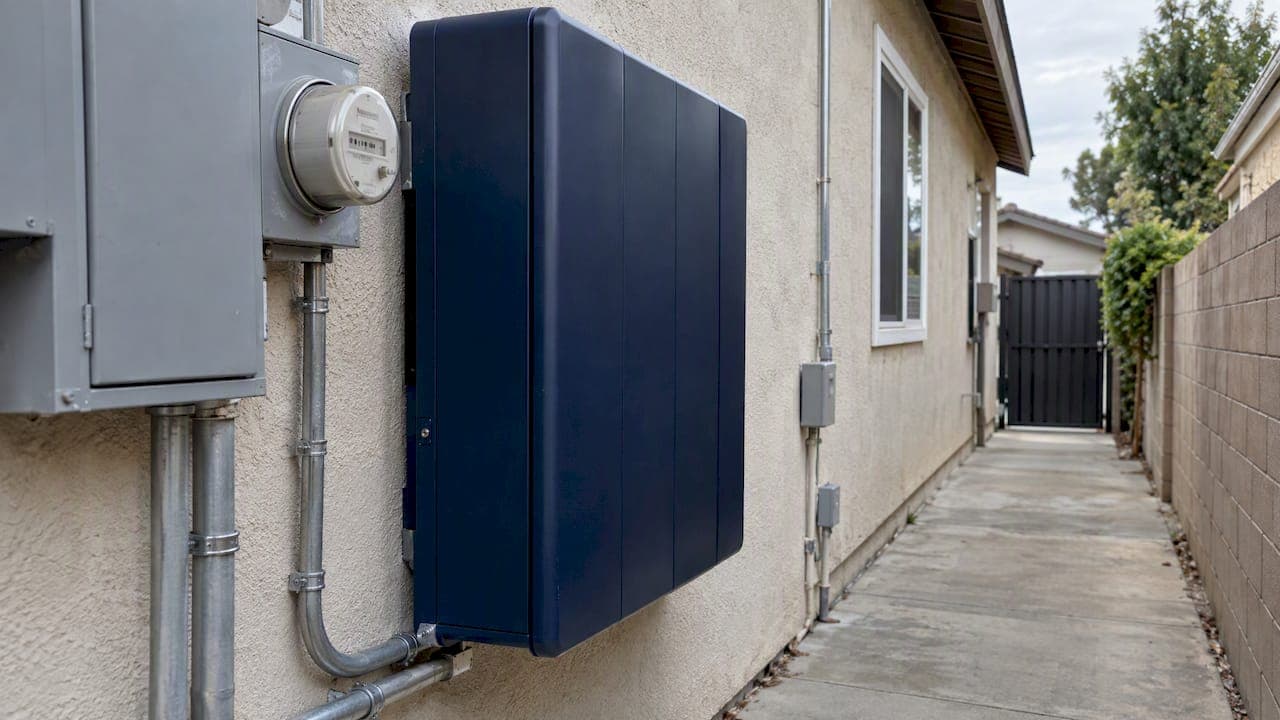
Most California battery incentives are now closed, waitlisted or limited to income-qualified households. The biggest one still running is the state’s Self-Generation Incentive Program (SGIP), and its remaining money goes mainly to low-income and equity-qualified homes. The federal 30% credit no longer covers systems you pay for in 2026. This guide explains what is left, how to check it for your address, and how to budget if you don’t qualify.
We are an electrical and plumbing contractor in Cerritos, so we see how these programs play out on real jobs in Los Angeles and Orange County. Program rules change often. Confirm current numbers with your utility before you sign anything.
TL;DR
- SGIP is the main state rebate. Its residential money is now focused on low-income and equity projects, and funds are often waitlisted or exhausted.
- The federal 30% credit has ended for new spending. It applied to costs incurred through December 31, 2025. Unused credit from earlier years can carry forward.
- Rebates pay after installation. You usually need to pay or finance the project first.
- Net billing changed the math. Pairing a battery with solar is now the main way to get value from your own power.
- Permits matter. In Cerritos, a battery may need fire department sign-off before the final electrical inspection.
Table of Contents
- The incentive landscape in October 2026
- The federal tax credit: what ended and what carries over
- SGIP: California’s main battery rebate
- What about the Powerwall rebate?
- Five rules that can cost you the rebate
- Why a battery still makes sense under net billing
- Permits in Cerritos: the step people forget
- Is your panel ready?
- Our perspective
- Paying for a battery when the rebates are gone
- Home battery storage installation with System Wide Services
- Checklist before you sign a battery contract
- FAQ
- Sources
The incentive landscape in October 2026
Three layers of money have existed for home batteries in California: federal tax credits, state rebates through SGIP, and utility or local programs. Each has changed.
| Incentive | Who it helps | Status to verify |
|---|---|---|
| Federal Residential Clean Energy Credit (30%) | Homeowners who bought a qualifying battery of at least 3 kWh | Covers costs incurred through Dec. 31, 2025; carryforward possible |
| SGIP Residential Solar and Storage Equity (RSSE) | Income-qualified households | Often waitlisted; check your administrator |
| Other SGIP budgets (general market, equity resiliency) | Broader groups, fire-risk areas | Many closed to new applicants |
| Utility battery programs | Customers who allow dispatch | Varies by utility and season |
The sections below take these one at a time.
The federal tax credit: what ended and what carries over
The IRS explains that the Residential Clean Energy Credit covered new, qualified battery storage with a capacity of at least 3 kilowatt-hours. It applied to costs incurred through December 31, 2025. You claim it on Form 5695 for the tax year the system is placed in service, not simply the year you bought it.
What this means for you:
- Installed and paid in 2025 or earlier: you may be able to claim the credit. If your tax liability was too small to use all of it, the unused portion can carry forward to later tax years, including 2026 and 2027.
- Starting a project now: do not budget for a 30% federal credit on new spending. Plan the numbers as if there is none.
- Unsure about your situation: ask a tax professional or CPA. We install the equipment, but we can’t advise on your tax return.
SGIP: California’s main battery rebate
The Self-Generation Incentive Program is run by the California Public Utilities Commission (CPUC) and administered locally by utilities. For homes, the most generous part is the Residential Solar and Storage Equity budget. The CPUC fact sheet says qualifying single-family low-income households can receive up to $1,100 per kilowatt-hour of storage. Eligibility ties to income, generally at or below 80% of Area Median Income, or to participation in assistance programs such as CARE or FERA.
The CPUC also announced a $280 million statewide initiative in May 2025 to help low-income customers install battery storage and solar.

Why “available” does not mean “open”
Funding is competitive. SCE’s SGIP page tells customers to check budget status before committing, because many categories are closed to general applicants and remaining funds are prioritized for low-income and equity-qualified projects. A February 2026 CPUC ruling also directs program administrators to tighten verification of total eligible project costs before they pay residential incentives. Expect more paperwork, not less.
SGIP is about resilience, not just savings
The CPUC describes the program’s priority as household and community resiliency. That is why categories lean toward customers in Tier 2 or Tier 3 High Fire Threat Districts or those who have lived through repeated Public Safety Power Shutoffs. If you assumed this was a general solar rebate, adjust your expectations.
Existing solar still counts
You don’t need to start from scratch. LADWP’s FAQ says that if you already have solar, you may still qualify by adding a new battery set to self-consumption mode.
What about the Powerwall rebate?
People often search for a rebate tied to one battery brand. In California, the rebate follows the program rules and your utility, not the brand name. SGIP pays for eligible storage equipment that meets program requirements, and brand-specific offers from manufacturers or installers change frequently. Ask any installer, including us, which models are eligible under your utility’s current rules, and get the answer in writing.
Five rules that can cost you the rebate
Most lost rebates come from process errors. Watch for these.
- Wrong operating mode. Programs like SGIP require the battery to run in self-consumption mode. That means it stores your solar generation for your own use instead of exporting it. LADWP’s FAQ is clear on this. Confirm the setting with your installer before applying.
- Signing before checking funds. Look up the current status of your budget category with your utility first.
- Expecting money upfront. Utility representatives note that SGIP incentives are paid after installation and interconnection. Some advance-payment options may cover part earlier, but you should plan to cover costs first.
- Choosing an installer who doesn’t know your utility’s process. Reservation and claim steps differ by administrator. A mistake can delay or disqualify the incentive.
- Skipping permits. An unpermitted system can’t be interconnected, and without interconnection there is no payment.
Why a battery still makes sense under net billing
California’s Net Billing Tariff pays less for solar power you export than the old net metering rules did. According to California Energy Commission filings, that makes pairing solar with storage the most effective way to see a return, because you use your own generation during the evening peak when electricity costs the most.
A simple way to think about it:
- Solar only: daytime power is exported at a lower rate, then you buy it back at night at a higher one.
- Solar plus battery: you shift daytime production to the evening, so you buy less from the grid at peak prices.
- Battery without solar: it can provide backup power, but savings depend on your utility’s rate plan.
Backup power is its own value. If outages or wildfire shutoffs worry you, a battery keeps essentials running. A generator is the other route, and some homeowners use both.
Permits in Cerritos: the step people forget
A home battery is an electrical project with a fire-safety dimension. The City of Cerritos publishes a residential solar application checklist that offers an Express Solar Permit and a Standard City Permit. For batteries, your contractor should coordinate with the City’s Building and Safety Division and the Los Angeles County Fire Department. Fire department sign-off is often needed before the city completes the final electrical inspection.

If your project is outside Cerritos, the city and fire agency may differ. Ask your contractor who handles the permit and who pays the fees.
Is your panel ready?
A battery connects to your main electrical panel. Older panels can lack space or capacity. Before you price a battery, have the panel assessed. Our guide on checking panel capacity before paying for upgrades was written for EV chargers, but the same load logic applies to batteries. If an upgrade is needed, see our electrical panel upgrade service.
Our perspective
We install electrical systems every week, and the pattern with incentives is consistent. Homeowners ask “what rebate can I get?” when the better first question is “what does this battery do for my home?” Incentives are a bonus, and they can vanish between a quote and an install date.
Here is how we advise people in Cerritos, Long Beach and the surrounding cities:
- Decide on the need first. Backup during outages, lower evening bills, or both.
- Budget without the rebate. If an incentive comes through, it is a welcome surprise instead of a gap in your plan.
- Check funding yourself. Call your utility or visit its SGIP page. Don’t rely on a salesperson’s claim that money is “guaranteed”.
- Get a written scope. It should list the equipment, the operating mode, the permit steps and who handles inspections.
- Expect clear pricing. We believe in upfront pricing and no upsell pressure, and you should hold any contractor to that.
Because we handle plumbing, electrical and handyman work in-house, a battery project that needs a panel change, a new circuit or drywall repair after the work doesn’t mean hiring three companies.
— Van Castaneda
Paying for a battery when the rebates are gone
If you don’t qualify for SGIP and the federal credit has ended, you still have options:
- Financing. We offer financing through Wisetack, so you can pay over time.
- Phased installs. Install the panel work first, then the battery.
- Utility programs. Some utilities pay customers who let their batteries discharge during peak events. Terms vary, so read the participation rules.
- Carryforward. If you claimed the federal credit on a 2025 purchase and had unused amounts, they may carry forward.
Home battery storage installation with System Wide Services
We install home battery storage for homeowners across Los Angeles and Orange County. Our team is licensed, veteran and woman-owned, with a 5.0 average customer rating. We can assess your panel, explain operating modes, coordinate the permit and inspection steps, and give you a clear quote before work starts. Call or book through our electrical services page and we will walk through your options. Our VIP Club membership is available for ongoing home care.
Checklist before you sign a battery contract
- Confirm your utility (SCE, LADWP or another) and look up its SGIP budget status.
- Ask whether you may qualify under income or fire-risk categories.
- Ask which battery models are eligible and what operating mode is required.
- Have your electrical panel inspected.
- Get the permit plan in writing, including fire department review.
- Ask who files the incentive paperwork and what happens if it is denied.
- Get the total price, financing terms and timeline in writing.
FAQ
Is there a solar battery rebate in California?
Yes, through SGIP, but access is limited. The most generous residential funding goes to income-qualified households and can reach $1,100 per kilowatt-hour of storage, per the CPUC. Many other categories are closed or waitlisted, so check your utility’s current status.
Does the federal tax credit still apply to a home battery?
The 30% credit applied to costs incurred through December 31, 2025, according to the IRS. New spending in 2026 is not covered. Unused credit from earlier qualifying purchases can carry forward, so ask a tax professional about your return.
Do I get the rebate before or after installation?
After. SGIP incentives are paid once the system is installed and interconnected, so plan to pay or finance the project first. Some advance-payment options may cover a portion earlier.
Do I need solar to qualify for battery incentives?
Not always. LADWP says existing solar can be paired with a new battery in self-consumption mode. Requirements differ by program and category, so confirm with your administrator before you apply.
Sources
- IRS: How to claim a residential clean energy tax credit
- CPUC: SGIP residential solar and storage equity fact sheet
- CPUC: $280 million program for low-income households
- CPUC: expanded energy programs ahead of wildfire season
- CPUC ruling on SGIP cost verification, February 2026
- SCE: Self-Generation Incentive Program
- LADWP: SGIP frequently asked questions
- California Energy Commission filing on the Net Billing Tariff
- City of Cerritos: residential solar energy system application checklist
Recommended
Need a hand with this? We've got you covered.
System Wide Services handles plumbing, electrical, and handyman work across Long Beach and LA & Orange County.