
7 Signs Your Home Wiring Is Outdated and How to Check Safely
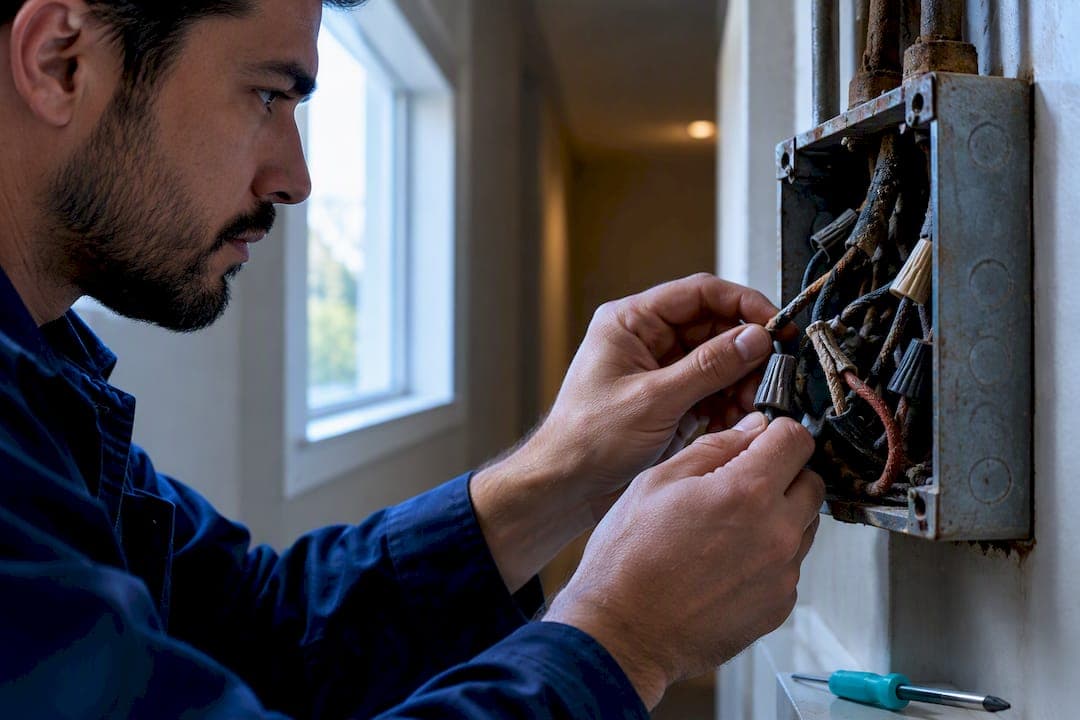
If your lights flicker across multiple rooms, you smell burning near an outlet, or your breaker trips more than once a week, call a licensed electrician now, not next month. Those three signs point to active fire or shock risk, according to guidance from the Electrical Safety Foundation International. Less urgent signs, like two-prong outlets or a home over 40 years old, still warrant a scheduled inspection rather than a wait-and-see approach.
TL;DR:
- Signs like hot outlets, burning smells, or frequent breaker trips require immediate professional inspection to prevent fire or shock hazards.
- Outdated wiring types such as knob-and-tube, cloth-insulated, or aluminum wiring pose hidden risks and often need targeted repairs or rewiring.
- Visual indicators like flickering lights, loose plugs, or missing ground-fault interrupters help identify unsafe wiring without opening the panel.
- An official electrical inspection should include testing for damage, verifying grounding, and assessing load capacity to identify necessary upgrades.
- Addressing wiring issues promptly with licensed electricians reduces fire risk, avoids costly repairs, and ensures safety for decades to come.
Table of Contents
- Signs of Outdated Home Wiring You Can Spot Without Opening a Panel
- Wiring Types That Reveal an Old Electrical System
- Why These Warning Signs Matter
- What to Do Right Now if You Notice a Warning Sign
- What a Professional Electrical Inspection Actually Covers
- An Editor’s Take on Hiring the Right Electrician
- Get Your Wiring Checked by a Licensed Local Team
- Sources
- FAQ
Signs of Outdated Home Wiring You Can Spot Without Opening a Panel
You don’t need to touch a single wire to catch most red flags. Your eyes, nose, and ears do most of the diagnostic work here, and knowing which sign belongs in which category (call today versus schedule this month) keeps you from either panicking over a minor issue or ignoring a serious one.
-
Flickering, dimming, or buzzing lights. A single flickering bulb usually means a loose bulb or a dying fixture. Lights that dim across an entire room, or the whole house, when an appliance kicks on point to a shared circuit struggling under load or a failing connection at the panel. Buzzing sounds from a fixture or switch are never normal and deserve documentation of when they happen and what else was running.
-
Frequent breaker trips or blown fuses. One trip after you plug in a space heater is a capacity issue with that specific circuit. Trips that happen daily, on different circuits, or without an obvious cause suggest a system that’s outgrown the home’s electrical demand.
-
Burning smells, smoke, scorch marks, or hot outlets. This is the clearest signal in the entire list. A discolored switch plate, a scorch mark around an outlet, or any smell of burning plastic means insulation is degrading from heat. ESFI names hot or discolored receptacles and switch plates as a core warning sign, and this one skips the “schedule an inspection” step entirely.
-
Warm outlets, loose plugs, or shocks when you unplug something. A mild tingle isn’t static electricity if it happens consistently at the same outlet. Stop using that outlet immediately and route power through a different one until an electrician checks it.
-
Arcing, sizzling sounds, or visible sparks. Small sparks when you plug something in are sometimes normal. Sustained sparking, popping sounds, or a sizzle that continues after you remove the plug means a damaged connection is arcing, which is exactly the failure mode behind many electrical fires.
-
Two-prong outlets and missing GFCIs. If your kitchen, bathroom, or garage outlets don’t have the test and reset buttons that mark a ground-fault circuit interrupter, your home lacks a safety feature that’s been standard for wet locations for decades. Our guide on GFCI placement requirements breaks down exactly where these devices belong.
-
Permanent reliance on extension cords or power strips. An extension cord snaking from the living room to the kitchen because there aren’t enough outlets isn’t a furniture problem. It’s a sign the circuit layout was designed for a home with far fewer devices than yours currently runs.
Pro Tip: Keep a simple log on your phone: which outlet or fixture acted up, the time, and what appliances were running. That timeline helps an electrician trace the problem to the right circuit fast, without you ever touching a live component.
Wiring Types That Reveal an Old Electrical System
The age of your wiring often tells you more than the symptoms do, because some outdated wiring types cause failures with no warning signs at all.
- Knob-and-tube wiring, installed roughly from 1880 through the 1940s, uses ceramic knobs and tubes to suspend individual conductors apart from each other. It has no ground wire, and its rubber-based insulation becomes brittle and cracks with age.
- Cloth-insulated wiring from the early-to-mid 1900s uses fabric sheathing that dries out, frays, and loses its protective value over decades of heat cycling.
- Aluminum branch-circuit wiring, installed mostly between 1965 and 1973, expands and contracts at a different rate than copper. That mismatch loosens connections at outlets and switches over time. The U.S. Consumer Product Safety Commission has documented roughly 2 million homes wired with aluminum starting in the 1960s, and warns that connections can overheat without any prior symptom warning you first.
- Two-prong, ungrounded outlets anywhere in the home confirm the system predates modern grounding requirements, regardless of what’s been updated elsewhere.
Don’t remove outlet covers or pull a receptacle to identify what’s behind it. Hidden connections can stay energized even when the breaker feeding them is switched off.
Why These Warning Signs Matter
Electrical failure isn’t a minor maintenance category. The National Fire Protection Association reports that arc faults alone cause more than 30,000 home fires a year, and electrical failure or malfunction accounts for a large share of home fire ignitions overall.
The core risk in one line: an arc fault happens when electricity jumps across a damaged or loosened connection instead of flowing through the wire as intended, generating heat well beyond what the circuit was designed to handle.
Arc-fault circuit interrupters detect that abnormal signature and cut power in milliseconds, which is why the 2008 National Electrical Code began requiring them widely in new construction. Homes wired before that standard existed usually don’t have this protection unless it’s been added during a later upgrade. That gap, combined with brittle insulation or loosened aluminum terminations, is exactly why ESFI recommends inspection once a home passes the 40-year mark, or the 10-year mark following a major renovation.
What to Do Right Now if You Notice a Warning Sign
Your first moves matter more than you’d think, and most of them take under five minutes.
- Unplug anything connected to the affected outlet or circuit. Don’t use it again until it’s been checked.
- If you can safely reach your panel, switch off the specific circuit breaker involved. Skip this step if you’re unsure which breaker controls what.
- Write down the details: which outlet or fixture, what time, what appliances were running. That record is genuinely useful to whoever inspects the wiring.
- Call an emergency electrician immediately for burning smells, smoke, or sparks. Schedule a standard inspection for issues like flickering that isn’t tied to a specific hazard event.
- Leave panel covers, outlet covers, and suspected aluminum or knob-and-tube wiring alone. These require a licensed professional, not a homeowner with a screwdriver.
Pro Tip: If you’re not certain whether a symptom is urgent, treat it as urgent. A same-day call costs you far less than a fire, and most licensed electricians would rather get a false alarm than a callback after damage has spread.
Depending on what the electrician finds, the fix might be as simple as replacing a single outlet, adding GFCI or AFCI protection, or COPALUM pigtailing for aluminum connections. It might also mean a full panel upgrade or rewiring sections of the house. None of that gets decided until someone qualified actually looks.
What a Professional Electrical Inspection Actually Covers
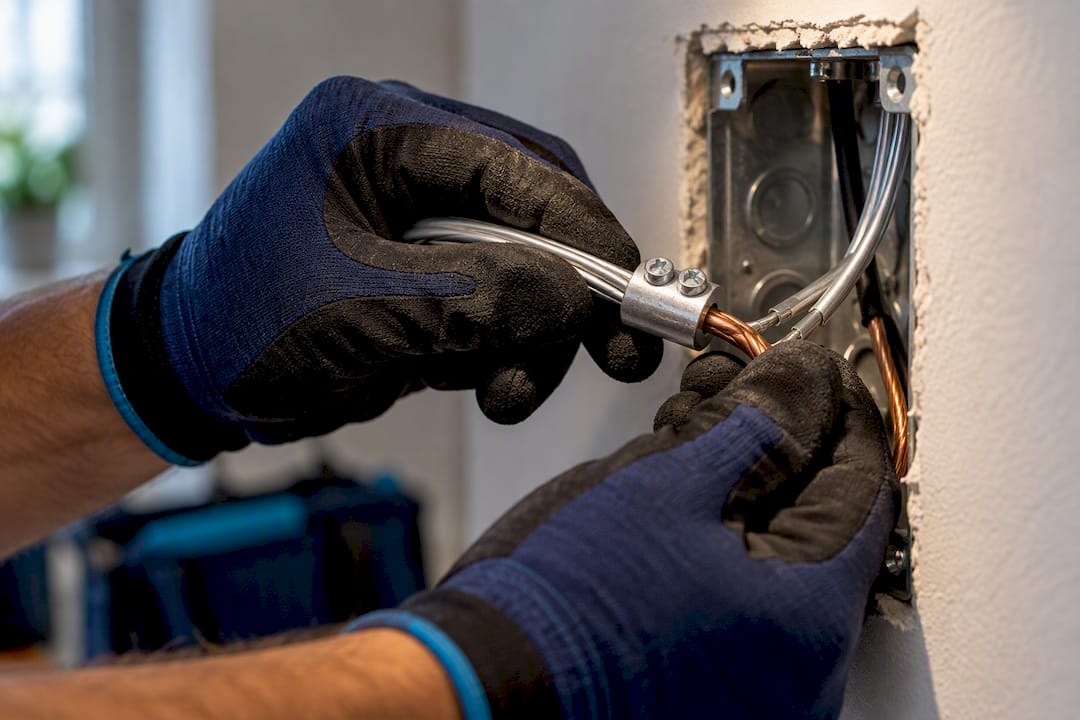
A real inspection goes well beyond a visual walkthrough. Electricians typically map your circuits, load-test the panel’s capacity against your actual usage, and check conductor size against the insulation’s condition. They’ll test every GFCI and AFCI device, inspect terminations and splices for looseness or corrosion, and verify grounding and polarity at outlets throughout the house.
- Damaged or outdated receptacles get replaced outright.
- Missing GFCI or AFCI protection gets added where code requires it.
- Aluminum wiring often gets COPALUM pigtailing rather than full replacement, since it’s a validated repair method that doesn’t require tearing into every wall.
- Only sections of the house with genuinely compromised branch circuits get rewired, rather than the whole structure.
A panel upgrade and a full rewire solve different problems, and a good inspection tells you which one you actually need.
An Editor’s Take on Hiring the Right Electrician
Homeowners tend to either ignore small signs or panic and gut the whole system. Neither serves you. Ask any electrician you’re considering about their license number, insurance, and specific experience with aluminum wiring or COPALUM repairs before they touch anything. Document what you’re seeing, then let a professional make the call on live components. Nothing about outdated wiring gets safer by waiting.
— Van Castaneda
Get Your Wiring Checked by a Licensed Local Team
A single licensed, veteran and woman-owned team can handle the entire path from diagnosis to repair, so you don’t need to coordinate between an inspector, an electrician, and a separate repair crew for the same problem.

If you’ve spotted any of the signs above, an electrical inspection identifies exactly what’s happening in your walls and panel before it becomes a bigger job. From there, the team handles panel upgrades, targeted repairs, and whole-home rewiring for aluminum, knob-and-tube, or simply undersized systems, with same-day response and upfront pricing before any work starts. Homeowners documenting damage for an insurance claim may also find this guide to what inspectors often miss useful alongside a professional evaluation. Schedule an electrical inspection to find out what your home’s wiring actually needs.
Sources
- Home wiring safety tips - Electrical Safety Foundation International
- CPSC safety recommendations for aluminum wiring in homes - CPSC
- Home electrical fires research - NFPA
FAQ
How do you tell if the wiring in your house is bad?
Watch for flickering or dimming lights, frequent breaker trips, warm or discolored outlets, and any burning smell near switches or receptacles. Two-prong outlets and a home over 40 years old are also strong indicators, according to ESFI, and warrant a professional inspection even without visible damage.
What does outdated wiring look like?
Outdated wiring often shows up as ceramic knobs and tubes in an attic (knob-and-tube), brittle fabric-wrapped cables (cloth insulation), or two-prong outlets with no ground pin. Aluminum wiring from homes built between 1965 and 1973 usually looks like standard cable but carries hidden overheating risk the CPSC has documented for decades.
Is it possible to sell a house with old wiring?
Yes, you can sell a house with old wiring, but many buyers’ inspectors flag knob-and-tube, aluminum, or ungrounded systems, which can affect financing, insurance, or the sale price. Getting an inspection and addressing major hazards before listing usually avoids renegotiation later in the process.
What is the average lifespan of house wiring?
Copper wiring with modern insulation typically lasts many decades under normal conditions, while older materials like knob-and-tube or cloth-insulated wiring are already past or near that range in most homes still using them. Age alone doesn’t guarantee failure, but it’s exactly why ESFI recommends inspecting any system once it passes the 40-year mark.
Recommended
Need a hand with this? We've got you covered.
System Wide Services handles plumbing, electrical, and handyman work across Long Beach and LA & Orange County.