
Aluminum Wiring Replacement: Repair or Rewire?
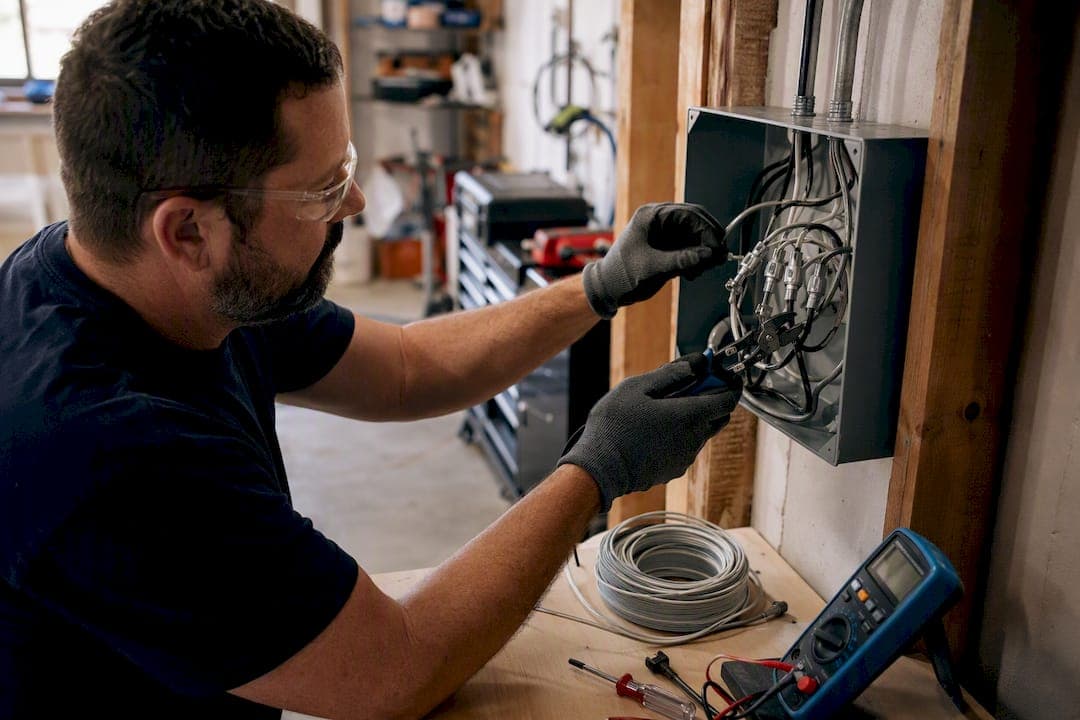
If your home has aluminum branch wiring, you don’t need a full rewire to make it safe. The U.S. Consumer Product Safety Commission recognizes two permanent repair methods, the COPALUM crimp connector and the AlumiConn connector, and either one can resolve the fire risk without opening every wall in your house. Full copper replacement is the most thorough fix, but it’s not always the necessary one.
Here’s how the decision usually breaks down:
- COPALUM (a hydraulic crimp system) or AlumiConn (a set-screw connector) for most occupied homes where walls are staying closed.
- Full copper rewire when walls are already open for renovation, or when your insurer or lender specifically requires it.
- Neither path works without paperwork. Permits, a licensed electrician, and photo documentation are what make the repair count for insurance renewal or a home sale.
You, the homeowner, don’t have to memorize electrical code to make this call. You just need to know which fix fits your situation, and then hire someone qualified to do it right.
Key Takeaways
Permanent aluminum wiring remediation requires a CPSC-recognized method, either COPALUM, AlumiConn, or full copper replacement, paired with a permit and licensed installation.
| Point | Details |
|---|---|
| Choose a CPSC-recognized method | COPALUM and AlumiConn are the two connector-based repairs the CPSC considers reliable long-term fixes. |
| Full rewire fits renovation timing | Reserve full copper replacement for open-wall renovations or when a lender or insurer requires it. |
| Confirm insurer acceptance first | Get your carrier’s accepted repair method in writing before scheduling any work. |
| Skip the twist-on shortcut | CO/ALR devices and twist-on connectors alone leave splice points untreated and don’t count as permanent repairs. |
| Hire documented, licensed help | System Wide Services pairs licensed inspection with permits and before/after photos for insurer and resale acceptance. |
Table of Contents
- Signs You Might Have Aluminum Wiring Trouble
- Comparing COPALUM, AlumiConn, and Full Copper Rewire
- How Electricians Diagnose Aluminum Wiring Problems
- What Aluminum Wiring Replacement Actually Costs
- Will This Affect My Insurance or Home Sale?
- Why This Isn’t a DIY Project
- Our Approach to Aluminum Wiring Jobs
- Balancing Safety, Cost, and Your Renovation Plans
- Get a Licensed Inspection Before You Decide Anything
- Sources
- FAQ
Signs You Might Have Aluminum Wiring Trouble
Aluminum branch wiring was common in homes built or renovated between 1965 and 1973, and it doesn’t announce itself until something’s already wrong. Watch for:
- Outlet or switch faceplates that feel warm to the touch
- Lights that flicker or dim without an obvious cause
- A faint burning smell near outlets, switches, or the panel
- Breakers that trip repeatedly for no clear reason
You can often confirm aluminum wiring by checking an unfinished area, like the garage, attic, or basement, for cable jacket markings that say “AL” or “Aluminum.” If you see any warning signs above, stop using that circuit and call a licensed electrician immediately. Don’t attempt to open panels or splice connections yourself.
Pro Tip: Take dated photos the moment you notice a warm outlet or a tripped breaker pattern. Insurers and future buyers will want to see when problems started and when they were addressed.
Comparing COPALUM, AlumiConn, and Full Copper Rewire
Each remediation path trades cost against disruption, and understanding that tradeoff is the whole decision.
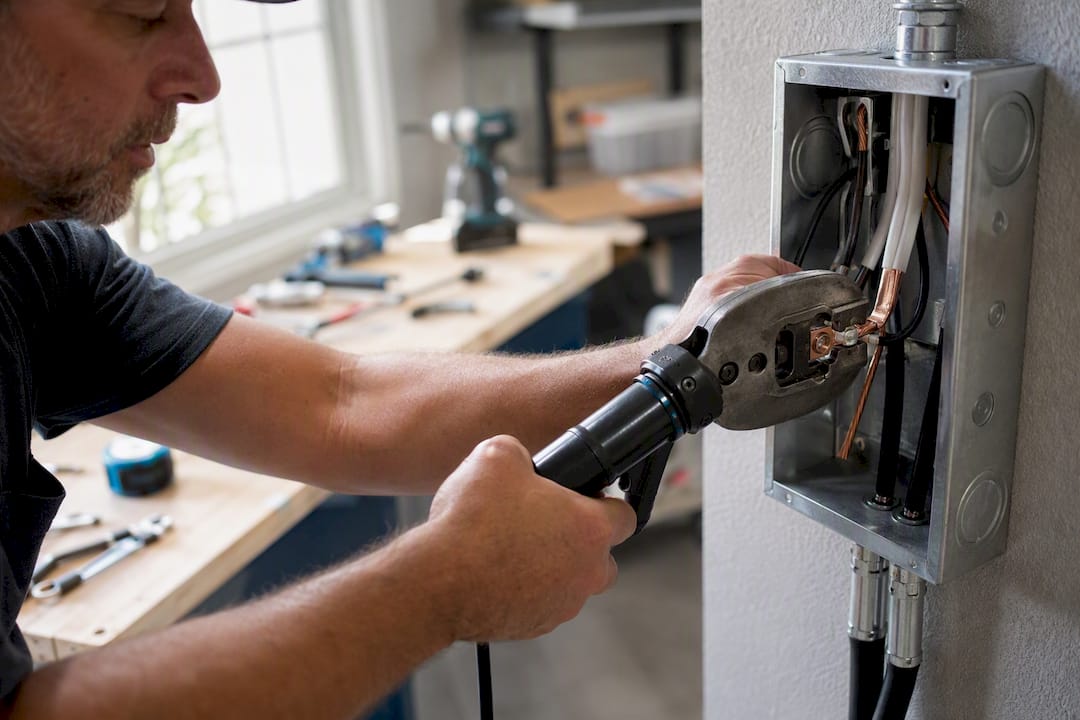
COPALUM works by using a hydraulic crimping tool to fuse a copper pigtail to the existing aluminum wire, creating what’s essentially a cold weld. CPSC staff consider it a permanent repair based on laboratory testing and field performance. The catch is that the tooling and training are restricted to a limited network of certified installers, which can mean waiting for the right contractor in your area.
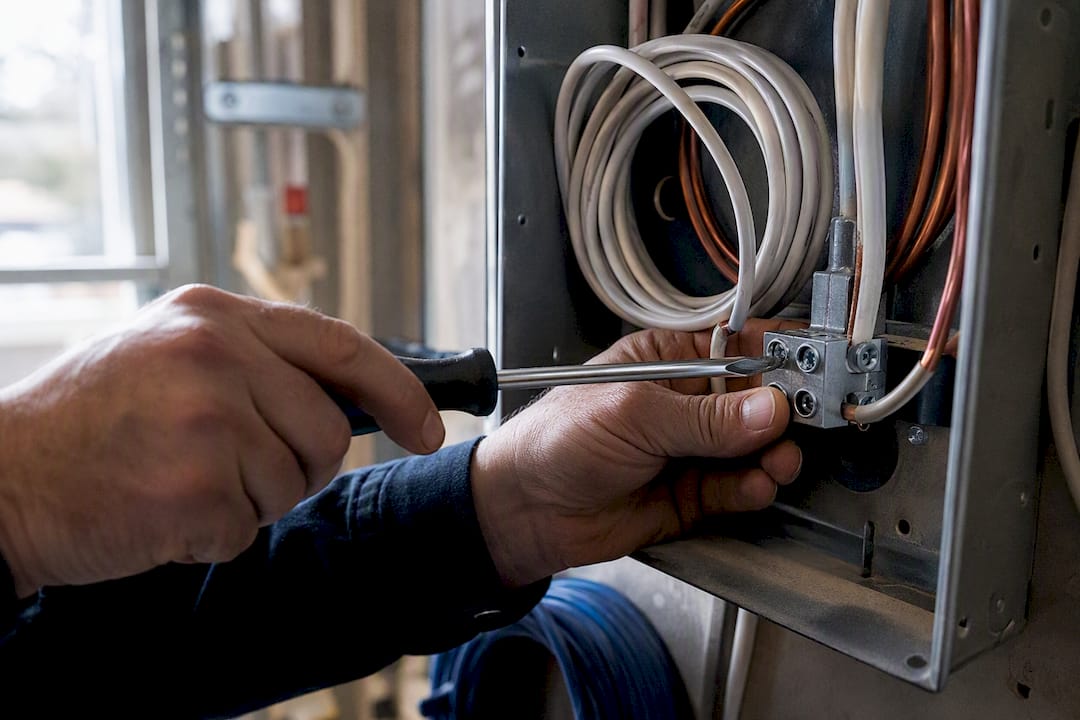
AlumiConn is a UL-listed connector that uses set screws to join aluminum and copper conductors inside a small housing. The CPSC accepts it as a reliable alternative when COPALUM isn’t available locally. It demands precise torque on each screw. An electrician who rushes the installation or skips the manufacturer’s torque spec can leave you with the same loose-connection problem you started with.
Full copper rewire removes the aluminum branch circuits entirely, which eliminates the underlying hazard rather than managing it at each connection point. It’s the most invasive and expensive option, and it usually only makes sense when you’re already renovating with walls open, or when an insurer or lender won’t budge without it.
One thing CPSC does not consider permanent: twist-on wire nuts or simply swapping in CO/ALR-rated devices without addressing the splices behind them. Testing has shown inconsistent performance from twist-on connectors on older aluminum wiring, and CO/ALR devices alone leave hidden junction box splices untouched.
| Method | Permanence | Cost Range | Installer Needs | Disruption |
|---|---|---|---|---|
| AlumiConn | High, when properly torqued | Lower mid range | Standard electrician, careful technique | Low, pigtail-based |
| COPALUM | Highest, CPSC-recognized | Mid to upper range | Certified/trained installer required | Low to moderate |
| Full copper rewire | Complete elimination | Highest | Any licensed electrician | High, wall access needed |
How Electricians Diagnose Aluminum Wiring Problems
A real diagnosis means opening boxes, not guessing from the panel. Here’s what a competent inspection looks like:
- The electrician opens a representative sample of outlet, switch, and junction boxes to inspect actual termination conditions.
- Each aluminum connection point gets checked, including outlets, switches, light fixtures, and major appliances, since hidden splices in junction boxes are a common failure point.
- Signs of overheating, such as discoloration or brittle insulation, get documented with photos.
- You receive a written report listing every connection point, the recommended remediation method for each, and a cost estimate.
Before hiring, ask directly: Are you COPALUM-authorized, or do you have documented AlumiConn experience? Will you pull the permit? Can you show me sample photos from past jobs? What warranty comes with the work?
What Aluminum Wiring Replacement Actually Costs
Cost ranges vary by home size, number of connection points, and whether the work happens in finished or open walls. 2026 cost guide data places AlumiConn in the lower mid range, COPALUM higher, and full copper rewire as the most expensive path, often running well into five figures for larger homes.
A few variables move those numbers more than homeowners expect:
- COPALUM installer availability. Certified installers are scarce in many metro areas, sometimes creating multi-week lead times that push homeowners toward AlumiConn instead.
- Finished vs. unfinished spaces. Drywall repair and repainting add real cost to any rewire.
- Permit and inspection fees, which should always appear as separate line items on your quote.
Connector installs (AlumiConn or COPALUM) often finish in a single day for a typical home, while COPALUM scheduling can add weeks depending on installer availability. Full rewires commonly take several days to a few weeks, plus time for drywall repair afterward.
Always request an itemized quote that names the specific remediation method, not just “aluminum wiring repair” as a line item. A vague quote is often a sign the contractor hasn’t actually inspected your terminations yet.
Will This Affect My Insurance or Home Sale?
Insurers don’t all treat aluminum wiring remediation the same way. Some carriers accept a documented full rewire outright. Others will accept COPALUM or AlumiConn as long as it comes with a passed inspection and permit on file. The variability is real, and confirming your carrier’s specific requirements in writing before scheduling work saves you from redoing a repair they won’t count.
Buyers and their lenders typically want to see:
- The electrician’s written scope naming the exact method used
- Photos of representative terminations, before and after
- A pulled permit and passing municipal inspection
- A signed completion report from the electrician
Contact your insurer or the buyer’s lender before scheduling anything, and get their accepted repair list in writing. Then choose a contractor who commits to providing the paperwork upfront, not as an afterthought once the job’s done.
Pro Tip: Ask your electrician to photograph every box before closing it up and to provide a stamped inspection report at the end. That packet is what makes the repair transferable to the next owner or the next insurance renewal.
Why This Isn’t a DIY Project
Aluminum wiring work carries real electrocution risk, and an improperly made connection can actually increase overheating rather than fix it. Beyond the physical danger, unpermitted work creates a paper trail problem: no permit means no inspection record, and no inspection record means your insurer or a future buyer has no way to verify the repair happened correctly.
If you smell burning or find a genuinely hot outlet, shut off the circuit at the breaker and call a licensed electrician immediately. Twist-on pigtail connections are an emergency measure at best, never a substitute for a permanent, CPSC-recognized repair.
A licensed electrician, a pulled permit, and a passed municipal inspection are what turn a repair into something an insurer or buyer will actually accept.
Our Approach to Aluminum Wiring Jobs
System Wide Services is a veteran and woman-owned company that’s served Cerritos and the surrounding Los Angeles and Orange County area for roughly eight years, with electrical work spanning panel upgrades to full home rewiring.
For aluminum wiring jobs, our process looks like this:
- Licensed electrician inspection with representative boxes opened and photographed
- Itemized written quote naming the exact remediation method (AlumiConn or full rewire)
- Permit pulled before work begins, with municipal inspection scheduled
- Before-and-after photo documentation for your insurer or future buyer
We maintain a 5.0 average customer rating built on fast response and clear communication, so you’re never guessing what happens next.
Balancing Safety, Cost, and Your Renovation Plans
The safest sequence is simple: inspect first, then call your insurer, then pick the remediation method they’ll accept in writing, then hire a licensed electrician who documents everything and pulls permits. Safety should drive the decision, but if you’re already planning a renovation, folding in a full rewire while walls are open often makes more financial sense than doing connector repairs now and a rewire later.
Get a Licensed Inspection Before You Decide Anything
Guessing at your wiring’s condition costs more in the long run than a proper inspection does now. System Wide Services sends licensed electricians who open representative boxes, document every aluminum termination with photos, and hand you a written remediation plan naming the exact method, whether that’s AlumiConn, COPALUM, or a full rewire, along with permit handling from start to finish.
That documentation is what your insurer or a future buyer will actually ask for, and it’s built into every job we complete. If you’ve noticed warm outlets, flickering lights, or you simply want to know what’s behind your walls before you sell or refinance, schedule an inspection through our electrical services page. We serve Cerritos, Long Beach, and surrounding cities throughout Los Angeles and Orange County, and if you’re closer to the South Bay, our Long Beach electrician team can get you on the schedule directly.
Sources
- CPSC Publication 516 - Repairing Aluminum Wiring
- Aluminum Wiring — AlumiConn vs COPALUM vs Copper Rewire (2026 Decision)
- Copper vs Aluminum Wiring: Safety, Cost & What Virginia
FAQ
Is it worth replacing aluminum wiring?
Yes, if a licensed electrician confirms active hazards, or if your insurer requires it. Permanent repairs like COPALUM or AlumiConn often resolve the risk without the cost of a full rewire.
How much does aluminum wiring replacement cost?
Costs vary widely: AlumiConn repairs fall in a lower mid range, COPALUM runs somewhat higher, and full copper rewires are the most expensive option, often reaching well into five figures for larger homes.
Will insurance cover a house with aluminum wiring?
It depends on your carrier. Some insurers accept documented COPALUM or AlumiConn repairs with a passed inspection, while others require full copper replacement, so confirming in writing before scheduling work is essential.
Can I sell my house with aluminum wiring?
Yes, but most buyers and their lenders will want documentation showing the wiring was remediated with a named method, permit, passed inspection, and photos, particularly since some jurisdictions require disclosure of known aluminum branch wiring.
Recommended
Need a hand with this? We've got you covered.
System Wide Services handles plumbing, electrical, and handyman work across Long Beach and LA & Orange County.